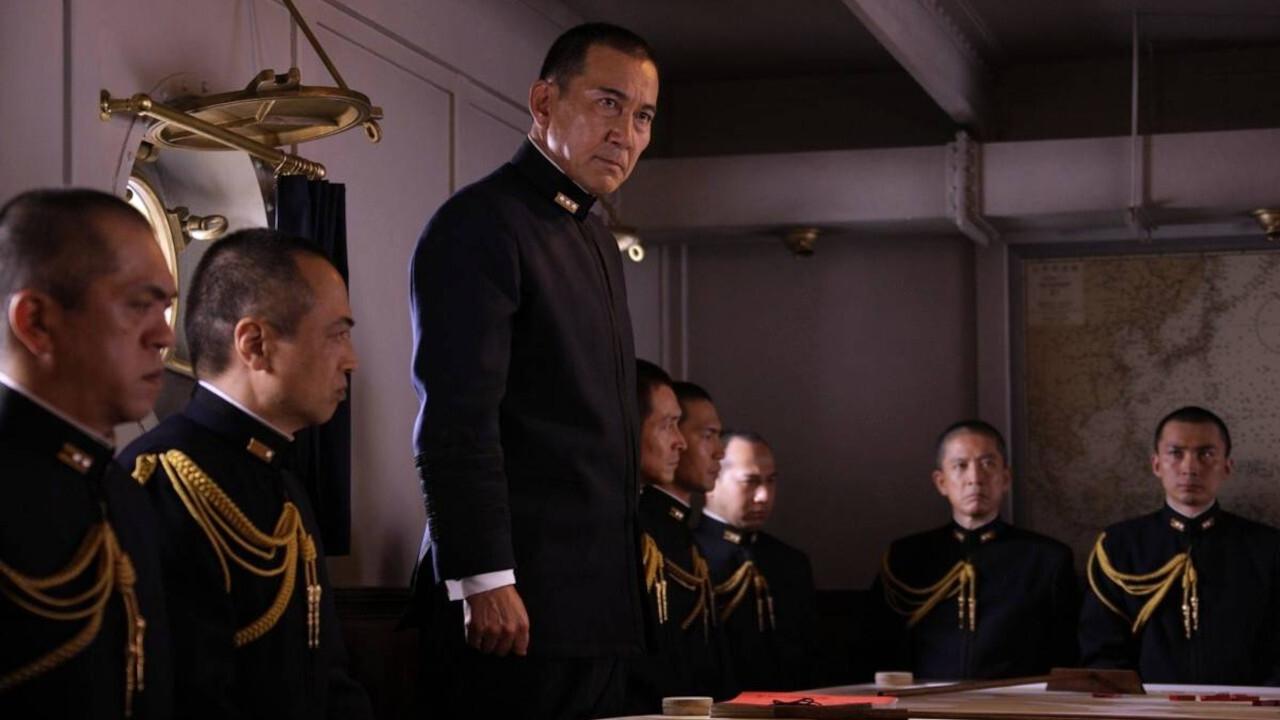
Admiral Isoroku Yamamoto was a prominent Japanese naval commander whose leadership and strategic acumen shaped much of Japan's naval operations during World War II. Born in 1884, Yamamoto rose through the ranks to become the Commander-in-Chief of the Combined Fleet, the principal naval force of the Imperial Japanese Navy. Despite his distinguished career, Yamamoto harbored deep reservations about Japan's militaristic ambitions and the potential consequences of engaging in a full-scale war with Western powers.
One of the most significant moments in his career came in 1941, when he was ordered to orchestrate the attack on Pearl Harbor. Although this directive was at odds with his personal convictions—he believed that war with the United States would be devastating and ultimately unwinnable—Yamamoto fulfilled his duty as a loyal officer. The surprise attack marked a critical and tragic turning point in both Japanese and American history, leading to a protracted and devastating conflict in the Pacific.
Yamamoto's foresight extended beyond the Pearl Harbor attack, as he had warned the Japanese government as early as 1939 about the dangers of escalating military conflict. He advocated for seeking diplomatic solutions and peaceful negotiations to resolve disputes and end Japan's war campaigns. Unfortunately, his advice was overlooked, and the consequences of the subsequent military actions proved his predictions all too accurate. This narrative not only highlights Yamamoto's complex character but also serves as a poignant reflection on the tragedies of war and the importance of heeding voices of caution.
Full Cast of Isoroku Yamamoto, the Commander-in-Chief of the Combined Fleet
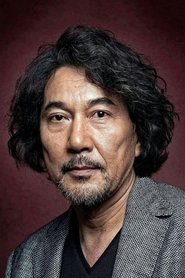
Koji Yakusho
- Released December 23, 2011