"Inside" is a gripping drama that delves deep into the harrowing experiences of a South African political prisoner during the tumultuous era of apartheid. The narrative centers around the protagonist, who finds himself subjected to brutal torture as authorities seek to extract vital information regarding the enigmatic figures behind the apartheid conspiracies. This haunting experience not only illustrates the physical and psychological torment faced by political dissidents but also highlights the moral dilemmas and ethical violations that transpired behind the closed doors of interrogation rooms. The film paints a powerful picture of resistance and resilience in the face of state-sponsored cruelty, emphasizing the personal and collective struggles against an oppressive regime.
As the story unfolds, a striking twist reveals that years later, the head officer responsible for the protagonist’s torment becomes a prisoner himself, grappling with the consequences of his past actions. This shift in perspective allows the audience to explore themes of justice, guilt, and redemption, as the officer is confronted with the same brutal interrogation tactics he once wielded with impunity. The film expertly weaves a narrative that challenges viewers to consider the cycle of violence and revenge, and how those in power can easily become victims of their own machinations. The tension escalates as the officer faces relentless questioning, forcing him to reconcile his past with his present predicament.
"Inside" is not just a story of torture and retribution; it serves as a poignant commentary on the legacy of apartheid and the nature of accountability. It offers an introspective look at the human condition, examining how trauma shapes individuals and communities even beyond the confines of prison walls. Through its compelling characters and intricate plot, the film invites audiences to reflect on the broader consequences of political oppression, the quest for justice, and the enduring hope for reconciliation in a fractured society. With stunning performances and a gripping narrative, "Inside" is both a powerful exploration of the past and a call for a more just future.
Main Cast of Inside

Nigel Hawthorne
In the movie "In52" (also known as "Inside"), Nigel Hawthorne delivers a performance that is both chilling and poignant as Colonel Ives. With his signature gravitas and precision, Hawthorne brings to life a character that is complex and morally ambiguous. As the head of a shadowy organization, his Colonel Ives exudes an air of quiet authority and a sense of disquieting menace that permeates the film's atmosphere. Hawthorne's portrayal is nuanced, balancing the character's stern, no-nonsense exterior with subtle hints of vulnerability, suggesting a man haunted by the weight of his actions and the darkness of his world. His interactions with the other characters are laced with a paternalistic quality that is as unsettling as it is compelling, making Colonel Ives a memorable antagonist whose motivations and loyalties remain intriguingly opaque. Hawthorne's performance is a standout element in the film, contributing to the tension and psychological depth that define "Inside."

Eric Stoltz
Eric Stoltz delivers a chilling and intense performance as the enigmatic character known as Marty in the gripping psychological thriller "Inside." His portrayal is a stark departure from the more affable roles for which he has been previously known. Marty is a mysterious and seemingly benign photographer who crosses paths with the film's protagonist, Christine, played by Rachel Nichols. As the narrative unfolds, Stoltz expertly peels back the layers of his character, revealing a darker, more sinister side. His performance is nuanced, balancing a quiet, unassuming demeanor with an undercurrent of menace that keeps audiences on edge. Stoltz's ability to convey the complexity of Marty's psyche—a mixture of vulnerability and predatory instinct—makes his character both compelling and deeply unsettling. His interactions with Nichols are fraught with tension, and his presence on screen is commanding, proving that Stoltz is an actor of considerable range and depth. Marty's evolution throughout the film is masterfully handled by Stoltz, who ensures that the character remains unpredictable and frighteningly real until the very end.
Secondary Cast of Inside
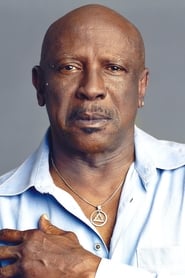
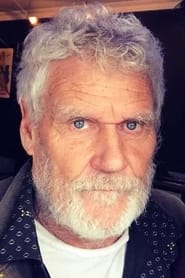



Louis Van Niekerk
Ross Preller
Joshua Lindberg
Duma Tsepane
Gary Coppin
Themba Ndaba
Mandy Gulwa
Seldom Ngwenia
Sizwe Nyembe
Crew of Inside
Full backstage crew list →- Released on August 25, 1996