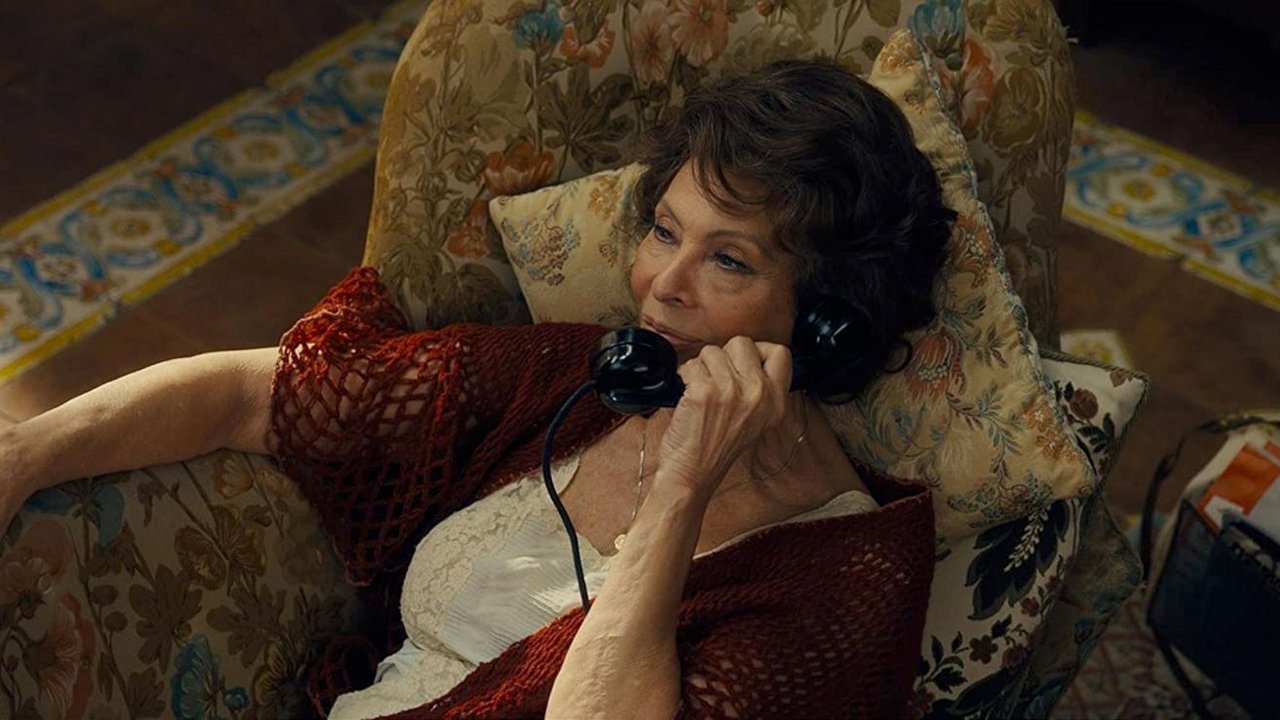
"Human Voice" is a poignant adaptation of Jean Cocteau's classic one-woman play, set in 1950 Naples. It centers on Angela, a woman in the later stages of her life, who experiences an emotional voyage during a final phone call with the man she loves as he prepares to leave her for another woman. The narrative unfolds through Angela's passionate monologue, revealing the depth of her vulnerability, heartache, and resilience in the face of abandonment.
At its core, "Human Voice" explores themes of love, loss, and the human desire for connection. The play's intimate setting and monologue format highlight Angela's psychological state, allowing audiences to empathize with her pain and strength. It delves into the complexities of relationships, the struggle to let go, and the eternal hope that love instills—even when confronted with betrayal and solitude.
Since its inception, "Human Voice" has left a significant mark on pop culture by inspiring various adaptations in theatre and film, celebrated for its raw emotional intensity and innovative storytelling. Its enduring relevance speaks to universal experiences of love and heartbreak, making it a timeless piece that continues to resonate with audiences and influence artists worldwide.
Full Cast of Human Voice

Sophia Loren

Enrico Lo Verso

Alessandra Bonarota
Virginia Da Brescia
Crew of Human Voice
Full backstage crew list →- Released April 21, 2014