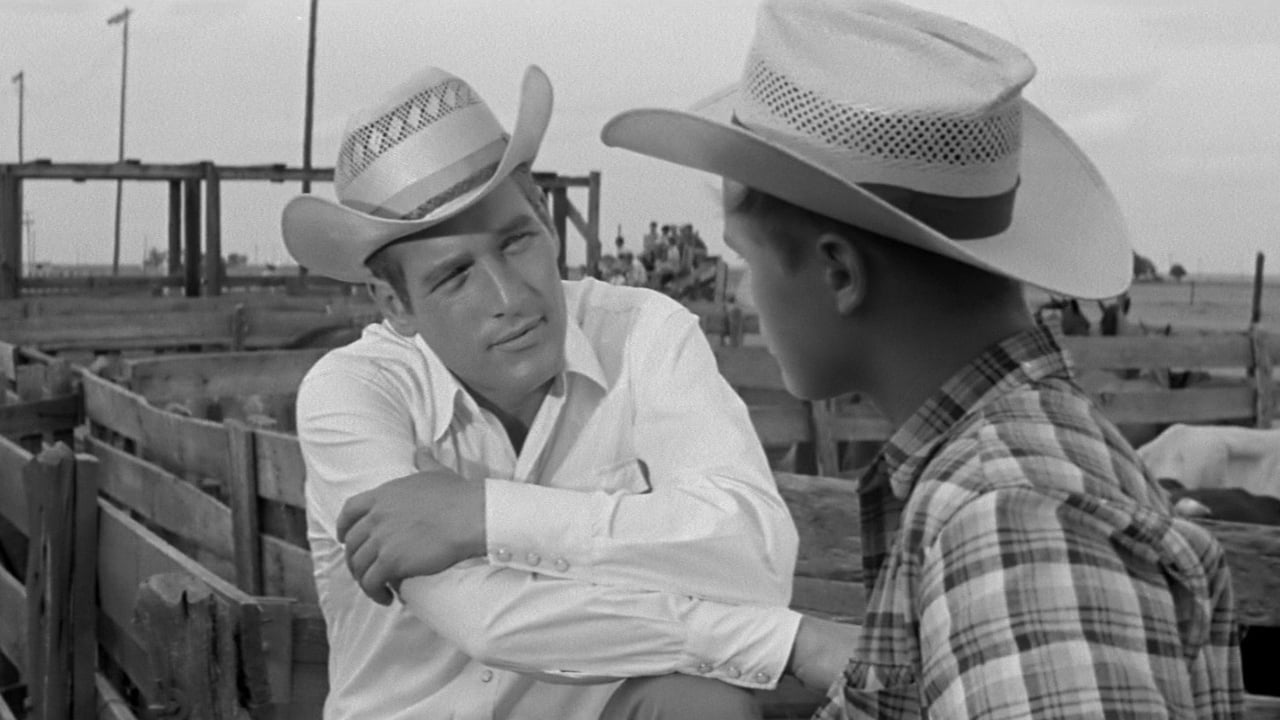
"Hud" centers on Hud Bannon, a charismatic yet ruthless young man whose presence unsettles everyone around him. His disdain for societal rules and personal responsibility puts him at odds with his principled father, Homer, creating a family dynamic fraught with tension and moral conflict. Hud's influence extends to his nephew Lon, who initially idolizes Hud's rebellious antics but grows disillusioned as he witnesses the darker consequences of Hud's behavior.
The film delves deep into themes of alienation, moral decay, and generational conflict. Hud embodies the archetype of the disaffected youth, careless with the repercussions of his actions and dismissive of traditional values. Homer's steadfast adherence to honor and integrity contrasts starkly with Hud's self-serving ethos, highlighting the broader societal struggles between old-fashioned virtues and modern cynicism. Through these characters, "Hud" explores the complexities of family loyalty and the costs of unchecked individualism.
Upon its release, "Hud" received critical acclaim for its powerful performances and unflinching portrayal of flawed humanity. Paul Newman's portrayal of Hud became iconic, cementing the character as a symbol of troubled youth in American cinema. The film's nuanced exploration of ethical ambiguity resonated with audiences and critics alike, influencing subsequent works that examine the darker facets of the American experience. "Hud" remains a culturally significant film, continuing to inspire dialogue about morality and identity.
Full Cast of Hud
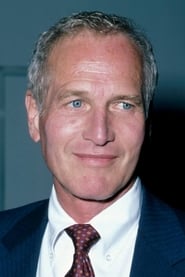
Paul Newman
- Released May 28, 1963
- Academy Awards (1964)
Winner - Actor in a Supporting Role, Actress in a Leading Role and Cinematography.