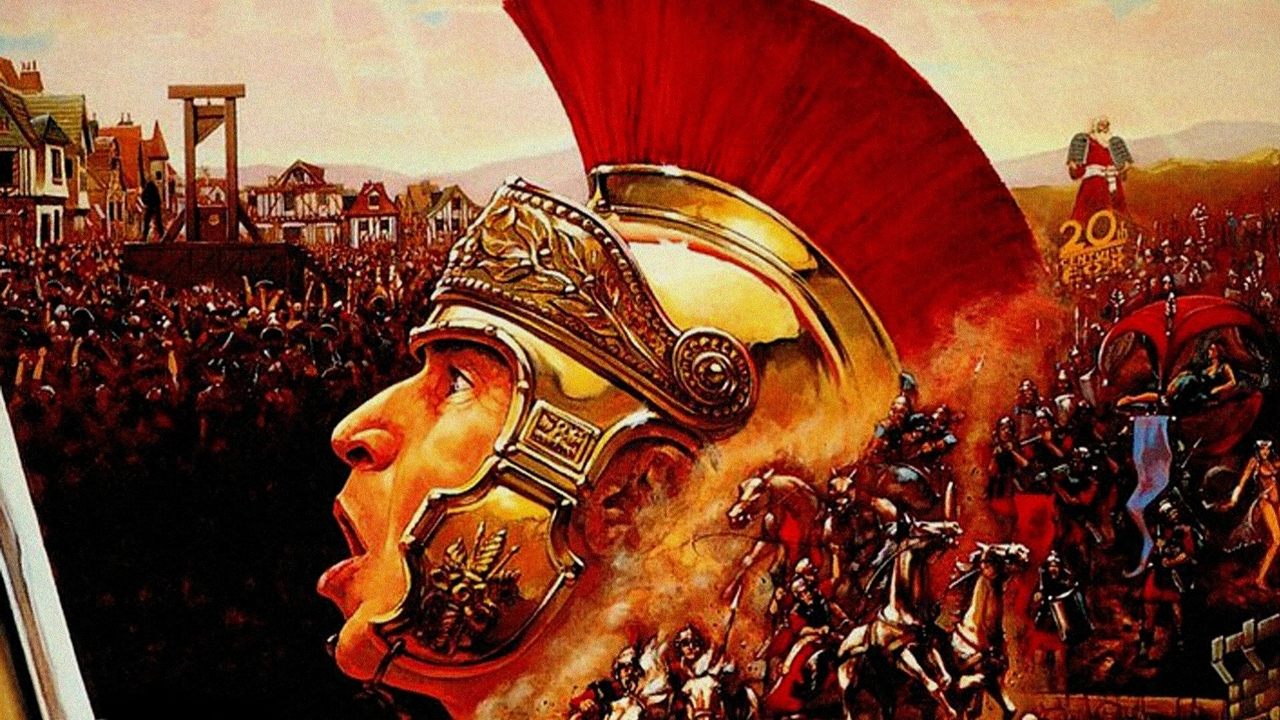
"History of the World: Part I" is a comedic romp through various significant epochs of human history, woven together by the versatile Mel Brooks, who embodies a range of characters including Moses, Comicus, Torquemada, Jacques, and King Louis XVI. Alongside Dom DeLuise as Emperor Nero, the film adopts a satirical lens to depict landmarks like the Roman Empire, the French Revolution, and the Spanish Inquisition, with a blend of slapstick humor and parody. This patchwork of historical vignettes revels in irreverence, inviting audiences to laugh at the solemnity often attached to historical narratives.
Central to the film’s themes is the idea that history itself, often taken as a serious and instructive record, can be viewed through a humorous perspective that exposes the absurdity and folly of human behavior across ages. The film leverages parody to deflate the grandeur and myth surrounding historical figures and events, suggesting that no era or leader is immune from mockery. By doing this, it challenges audiences to reconsider the way history is taught and remembered, emphasizing the universality of human flaws and the cyclical nature of mistakes.
Upon release, "History of the World: Part I" secured a place in pop culture as an audacious and entertaining satire. While reactions were mixed—some critics noting its uneven pacing and scattershot humor—the film's clever sketches and memorable lines have endured, influencing subsequent comedy filmmakers and cementing Mel Brooks' legacy as a master of historical parody. Its impact is evident in how history-themed parodies have become a staple genre, reminding viewers that laughter can be both a tool for critique and celebration of the past.
Main Cast of History of the World: Part I

Mel Brooks

Dom DeLuise

Madeline Kahn
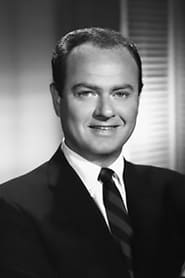
Harvey Korman

Cloris Leachman

Ron Carey
Crew of History of the World: Part I
Full backstage crew list →- Released June 12, 1981