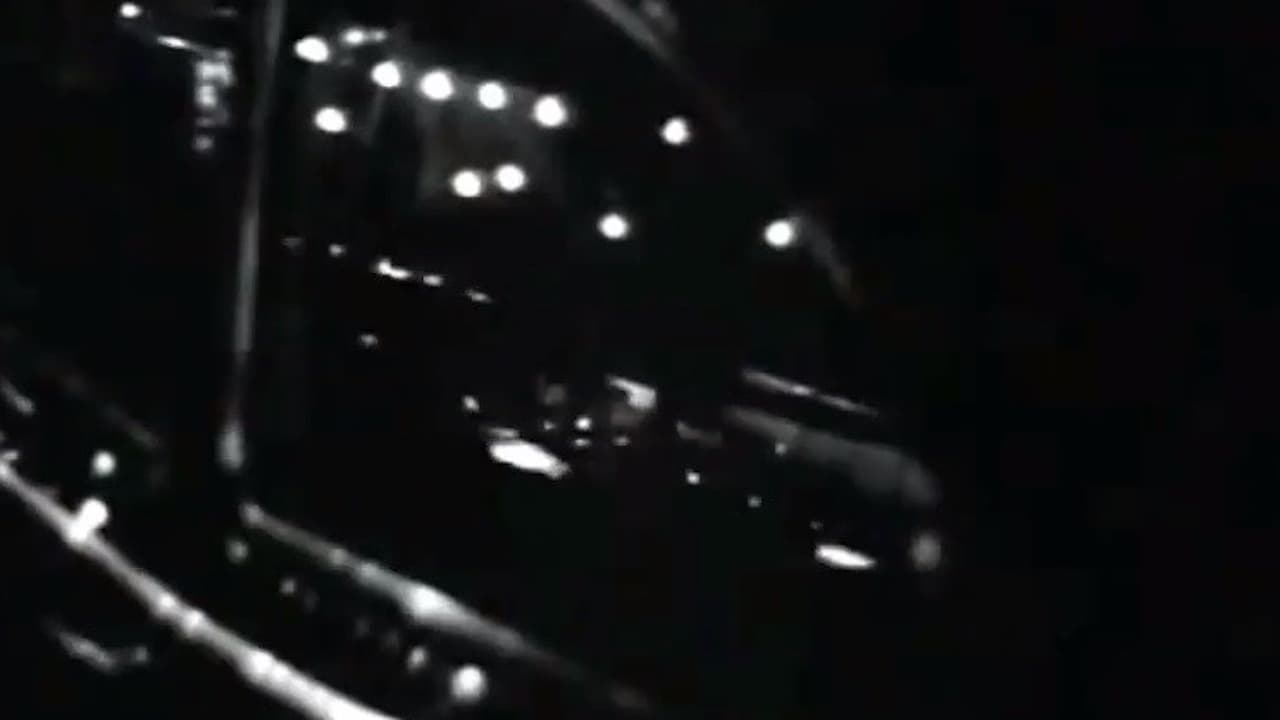
"Herbie" is a captivating short film created in 1966 by filmmakers George Lucas and Paul Golding, as a project for their studies at the University of Southern California's prestigious film school. This experimental piece, shot in 16mm black and white, stands out for its distinct lack of a traditional narrative, eschewing actors and dialogue in favor of an abstract representation of light and motion. Viewers are treated to a mesmerizing display of reflections from shifting light streaks and flashes, artfully captured from the hustle and bustle of nighttime traffic. The film transcends conventional storytelling, inviting the audience to interpret the visuals through a personal lens while experiencing the unique amalgam of sights and sounds.
Accompanying the striking visuals is a jazz score by the innovative musician Herbie Hancock, whose style embodies the very essence of the era's musical experimentation. The choice to name the film "Herbie" not only pays homage to the influential artist but also encapsulates the creative synergy between visual art and music. Hancock's dynamic rhythms and improvisational approach complement the flickering images on screen, allowing viewers to immerse themselves in a sensory experience that is both tranquil and stimulating. The interplay of light and sound creates an atmosphere that challenges perceptions of film as a medium, pushing boundaries through abstraction and innovation.
As a product of Lucas and Golding's daring exploration in filmmaking, "Herbie" serves as a noteworthy artifact from the 1960s counterculture movement. It is an embodiment of the spirit of artistic freedom and experimentation that defined the period, showcasing the power of cinematic expression without relying on conventional plot structures. The film remains a significant work in both artists' legacies, reflecting the nascent stages of Lucas's career before he would go on to create the iconic "Star Wars" franchise. "Herbie" continues to intrigue audiences and serves as a testament to the ability of abstract film to invoke emotion and thought, transcending the limitations of conventional storytelling.
Crew of Herbie
Full backstage crew list →- Released on January 01, 1966