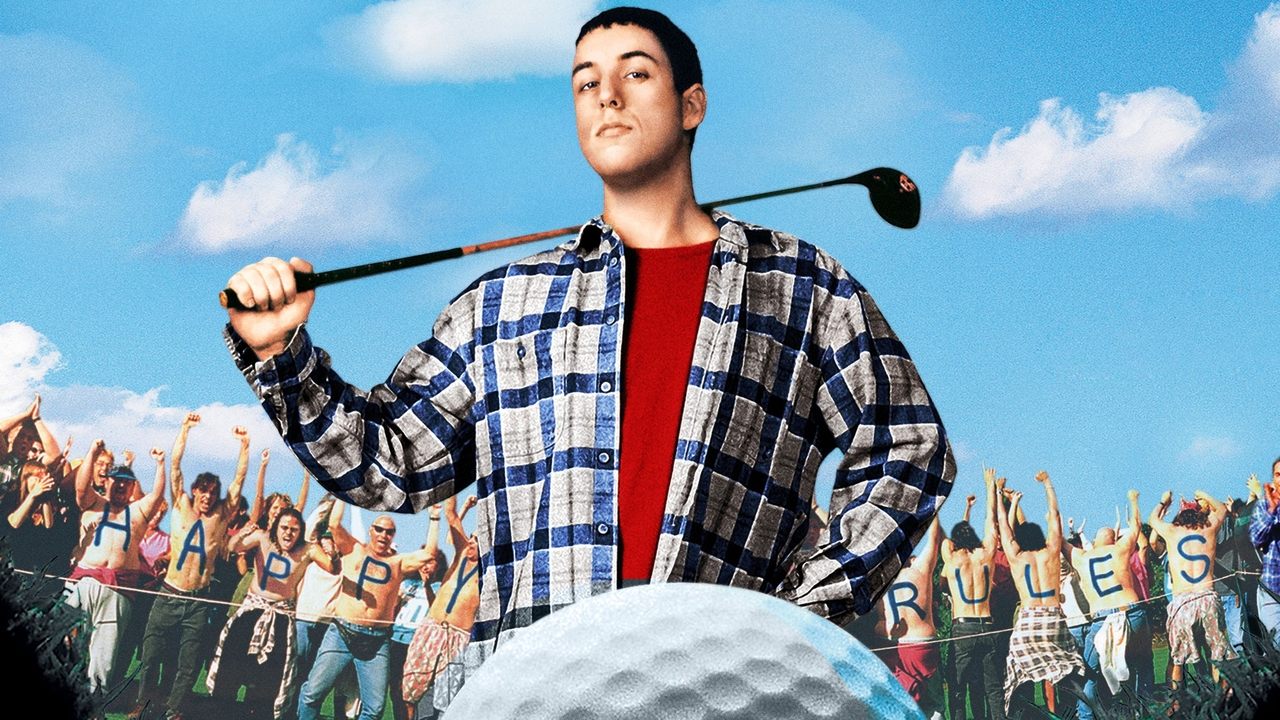
In the captivating world of the movie 'Happy Gilmore', we are introduced to a colorful cast of characters, each with their unique quirks and aspirations. The protagonist, portrayed by the talented Adam Sandler, is Happy Gilmore himself. Once a passionate hockey player, Gilmore finds himself on a new path after his hockey career fails to take off. This path leads him to the pristine greens of the golf course, where his unorthodox style and boisterous personality immediately set him apart from the traditionally refined golf crowd.
The movie's primary antagonist is the character of Shooter McGavin, a seasoned golf pro who is expertly brought to life by Christopher McDonald. McGavin is the epitome of golf etiquette and decorum, a stark contrast to Gilmore's brash and unconventional approach. Their clashing styles create an entertaining dynamic, as McGavin's irritation with Gilmore's antics escalates, adding a delightful layer of conflict to the film. Despite the friction, Gilmore remains undeterred, driven by his noble goal to secure the prize money necessary to save his beloved grandmother's house from foreclosure.
Meanwhile, the narrative intertwines a charming romance subplot as an attractive tour publicist enters Gilmore's life. Played admirably by the charismatic Julie Bowen, this publicist strives to polish Gilmore's rough-around-the-edges image to better suit the genteel golf world. Their interactions add a touch of warmth and humor to the story, creating an endearing counterbalance to the high-stakes golf tournament setting. Overall, 'Happy Gilmore' offers a delightful blend of comedy, sports, and heart, making it a must-watch for viewers seeking an engaging and entertaining movie experience.
Main Cast of Happy Gilmore

Adam Sandler
Happy Gilmore
Adam Sandler delivered a characteristically uproarious and spirited performance as the titular Happy Gilmore, a hot-tempered but lovable underdog with a powerful slapshot and a dream of playing professional hockey. Sandler's portrayal of the unconventional golfer, who discovers his uncanny ability to drive a golf ball immense distances, is infused with his signature comedic timing and slapstick humor. His performance is marked by a blend of outrageous physical comedy, quotable one-liners, and an unexpected sweetness that endears the character to the audience. Sandler's Happy is both a fish out of water in the stuffy world of professional golf and a relatable hero whose passion and determination resonate with viewers. His rivalry with the smug Shooter McGavin, played by Christopher McDonald, provides the perfect foil to Happy's reckless abandon on the course, leading to some of the most memorable and hilarious moments in the film. Sandler's embodiment of Happy's journey from a temperamental novice to a golf sensation with a heart of gold remains a highlight of his comedic repertoire and a testament to his ability to create and inhabit characters that resonate with a wide audience.
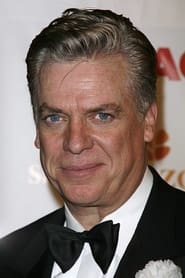
Christopher McDonald
Shooter McGavin
Christopher McDonald's portrayal of Shooter McGavin in the 1996 comedy "Happy Gilmore" is a quintessential example of a charismatic antagonist done right. His performance is both deliciously smug and delicately nuanced, providing the perfect foil to Adam Sandler's titular character. McDonald imbues Shooter with an arrogance that is both entertaining and aggravating, making him the ideal golf course villain that the audience loves to hate. With his sharply tailored outfits, condescending smirk, and a putter that might as well be a scepter, McDonald commands the screen, delivering lines with a blend of sharp wit and condescension that has cemented Shooter as one of the most memorable characters in sports comedy. His ability to maintain a level of authenticity in his performance, even amidst the film's absurdity, ensures that Shooter's rivalry with Happy is both compelling and humorous. McDonald's commitment to the role elevates what could have been a stock villain into a character that is both complex and iconic, securing his place in the pantheon of great comedy adversaries.
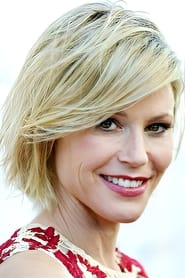
Julie Bowen
Virginia Venit
Julie Bowen delivered a memorable performance as Virginia Venit in the 1996 sports comedy film "Happy Gilmore," alongside Adam Sandler. Her portrayal of the charming and compassionate love interest brought a softening touch to the rough-around-the-edges protagonist, Happy Gilmore. Bowen's Virginia is introduced as a public relations worker tasked with improving the image of the golf tour, and she soon finds herself inexorably drawn to the unorthodox and temperamental Happy. With her engaging screen presence, Bowen effectively conveys Virginia's complexities, balancing professionalism with a genuine affection for Happy. Her performance is marked by a warm charisma and a natural chemistry with Sandler, which not only adds depth to her character but also provides the film with some of its most heartfelt and humorous moments. Bowen's ability to bring both tenderness and resilience to Virginia makes her an integral part of the film's enduring charm and comedic success.

Frances Bay
Grandma
Frances Bay delivered a memorable performance as the endearing and slightly off-kilter Grandma in the comedy classic "Happy Gilmore." Her portrayal of the titular character's grandmother is both heartwarming and humorous, as she brings a gentle vulnerability to the role that contrasts perfectly with the film's slapstick humor and outrageous antics. Grandma's unwavering love and support for her grandson, played by Adam Sandler, serve as the emotional anchor of the film, providing moments of genuine tenderness amidst the chaos. Bay's performance is marked by her spot-on comedic timing and her ability to convey deep affection with simple, sincere expressions. Her scenes, particularly those shared with Sandler, are filled with a touching chemistry that resonates with audiences, making her character one of the most beloved aspects of the movie. Frances Bay's Grandma is not just a side character; she is the heart of "Happy Gilmore," and her performance is a testament to Bay's talent for bringing warmth and authenticity to the screen.

Carl Weathers
Chubbs
Carl Weathers delivered a memorable performance as Chubbs in the 1996 comedy film "Happy Gilmore," alongside Adam Sandler. As the former professional golfer turned mentor to Sandler's titular character, Weathers brought a blend of charisma and gravitas to the role, perfectly complementing the film's humor with his own brand of deadpan comedy. His character's backstory, involving the tragic loss of his hand to an alligator (prompting his retirement from golf), provides a comedic yet poignant edge to his persona. Weathers' portrayal of Chubbs is imbued with a warm and nurturing wisdom, which serves as the catalyst for Happy's transformation from a temperamental hockey player to a disciplined golfer. His on-screen presence is both commanding and endearing, as he imparts lessons about the sport and life, all while maintaining a sense of light-hearted camaraderie. Carl Weathers' performance as Chubbs is a testament to his versatility as an actor, effortlessly shifting from dramatic intensity to comedic timing, and his character remains a beloved figure in the landscape of sports comedies.
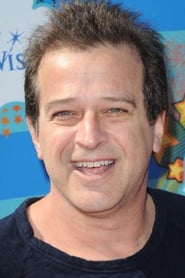
Allen Covert
Otto
In the comedy classic "Happy Gilmore," Allen Covert delivers a memorable performance as Otto, the orderly at a retirement home where the titular character's grandmother resides. Covert's portrayal of Otto is characterized by his deadpan delivery and impeccable comedic timing, providing a perfect foil to Adam Sandler's high-energy, hot-headed Happy. Otto's interactions with Happy are a highlight of the film, as Covert's straight-faced, often apathetic responses to Happy's antics elicit laughter and highlight the absurdity of the situations. His performance is subtle yet effective, allowing him to stand out in a cast of larger-than-life characters. Covert's Otto, with his distinctive mullet and unflappable demeanor, becomes an integral part of the film's charm, contributing to the overall humor and heart of the story. His ability to maintain composure amidst the chaos that Happy brings to the retirement home is a testament to Covert's skill in bringing to life a character that, while not the central focus, remains a beloved and quotable part of the film's enduring legacy.

Robert Smigel
IRS Agent
Crew of Happy Gilmore
Full backstage crew list →