In the thrilling film "Golden Years," the unimaginable occurs when an elderly janitor, played by the talented Keith Szarabajka, is caught in an explosion at a highly classified government laboratory. The incident, which initially appears catastrophic, leads to an unexpected twist as the janitor finds himself exposed to a series of strange chemicals. This exposure triggers a bizarre transformation that begins to reverse the aging process, rendering him progressively younger with each passing day. As he grapples with this startling and surreal change, the implications become clear: he is not just aging backwards, but acquiring extraordinary abilities that he could have never imagined.
As the janitor navigates his new reality, he quickly realizes the danger he faces. The U.S. government, particularly a relentless CIA assassin, sees him as the key to unlocking the secrets of this experiment gone awry. With a powerful desire to capture him and harness his unique transformation for their own purposes, the assassin will stop at nothing to achieve his goal. It is a high-stakes game of cat and mouse, as the janitor, alongside his wife and a determined female agent portrayed by Felicity Huffman, finds themselves on the run. Together, they must evade capture while unraveling the mysteries surrounding the experiment and searching for a way to regain control over their lives.
As the janitor continues his astonishing transformation and grapples with newfound powers, he must confront moral dilemmas and make choices that could impact not only his survival but the future of humanity itself. With the clock ticking and danger close behind, the journey becomes one of self-discovery and resilience. "Golden Years" combines elements of action and suspense with a thought-provoking narrative, pushing the boundaries of what it means to grow old, the importance of family, and the lengths one will go to protect loved ones.
Main Cast of Golden Years
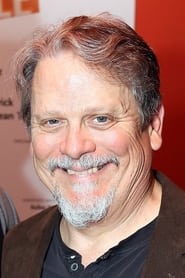
Keith Szarabajka
Harlan Williams
Keith Szarabajka delivered a memorable performance as Harlan Williams in the 1991 sci-fi thriller "Golden Years," directed by Ross Katz. As the morally ambiguous CIA operative, Szarabajka brought a nuanced complexity to the character, expertly navigating the murky waters of espionage and ethics. His portrayal of Williams was marked by an understated intensity and a keen intelligence, capturing the character's internal struggle between duty and conscience. Szarabajka's performance was a standout element of the film, as he convincingly portrayed a man caught in a web of government secrets and the relentless pursuit of truth, while also grappling with the consequences of his own actions. His interactions with the protagonist, played by Keith Carradine, added depth to the narrative, highlighting the personal costs and moral dilemmas faced by individuals ensnared in a world of covert operations. With his subtle yet commanding presence, Szarabajka's Harlan Williams became an indelible part of the movie's exploration of power, aging, and the human spirit.

Felicity Huffman
Terry Spann
Felicity Huffman delivered a compelling performance as Terry Spann in the 1991 film "Golden Years," directed by Paul Haggis. As Terry, Huffman brought depth and complexity to the screen, portraying a woman caught in the throes of a mid-life crisis, grappling with the disillusionment of her seemingly perfect life. Her character's journey from a suburban housewife to a woman rediscovering her identity and sexuality was conveyed with a nuanced mix of vulnerability and resilience. Huffman's ability to capture the subtleties of Terry's emotional transformation, as she navigates the trials of age, marriage, and self-worth, showcased her range as an actress and solidified her reputation as a performer capable of tackling multifaceted roles with authenticity and grace. Her performance was a standout element of the film, contributing to the poignant exploration of the human condition that lay at the heart of "Golden Years."
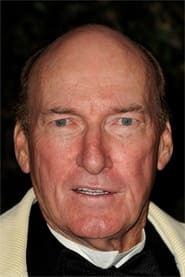
Ed Lauter
Gen. Louis Crewes
Ed Lauter brought a commanding presence and an air of staunch authority to his portrayal of General Louis Crewes in the 1991 science fiction film "Golden Years." His performance was a standout secondary role, filled with the gravitas one would expect from a seasoned military leader. Lauter's General Crewes was the embodiment of unwavering resolve, often providing a stark contrast to the experimental ethics and the humanity-driven narrative at the core of the film. His interaction with the protagonist, played by Keith Szarabajka, highlighted the tension between duty and morality, as Crewes grappled with the implications of the government's super-soldier program. With his stern facial expressions, sharp dialogue delivery, and an imposing physical stature, Lauter crafted a character that resonated with viewers as a symbol of the rigid military establishment, while subtly hinting at an underlying complexity that added depth to the film's moral quandaries. His portrayal of General Crewes was yet another testament to Lauter's versatility and skill in bringing multifaceted characters to life on the big screen.

R. D. Call
Jude Andrews
R. D. Call delivered a compelling performance as Jude Andrews in the 1991 sci-fi thriller "Golden Years," directed by Kenneth Branagh. Call brought a sense of gravitas and complexity to the character, infusing Jude with a palpable intensity that simmered beneath the surface. As a retired politician whose life takes a dramatic turn when he's exposed to a mysterious chemical, Call's portrayal of Jude's transformation was both nuanced and dynamic. His evolution from a man of influence to a being imbued with otherworldly powers was conveyed with a blend of vulnerability and an understated menace. Call's performance was a highlight of the film, as he adeptly navigated the character's internal struggle between holding onto his humanity and succumbing to the seductive power of immortality. His interactions with co-star Andrea Marcovicci, who played his wife, were particularly poignant, showcasing the emotional toll that his change took on their relationship. R. D. Call's embodiment of Jude Andrews was a testament to his range as an actor and his ability to ground a fantastical narrative with a deeply human performance.
Crew of Golden Years
Full backstage crew list →