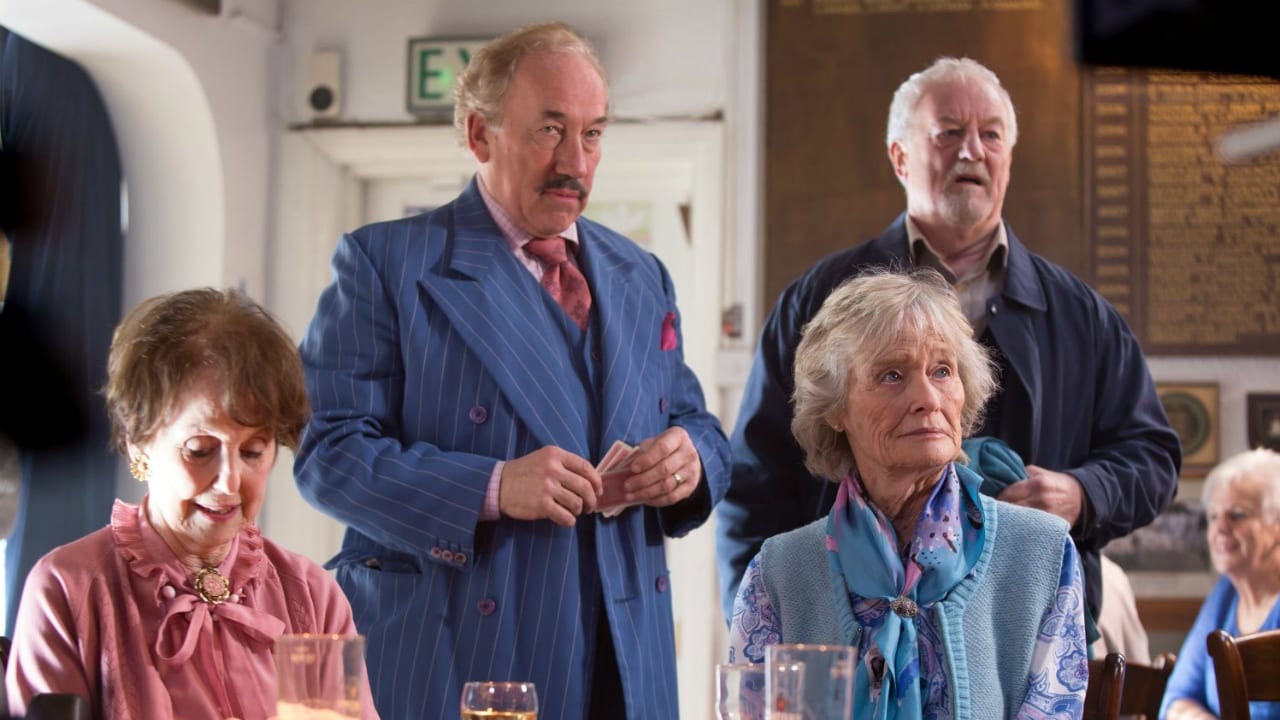
In the gripping film "Golden Years," the story revolves around Arthur and Martha Goode, a retired couple who find themselves caught in the throes of an unforgiving pensions crisis. This shortage of financial stability, coupled with a relentless spirit that refuses to accept the injustices often faced by the elderly, ultimately leads them down an unexpected path. Rather than succumbing to the limitations imposed by their age and society, they decide to reclaim their dignity in an unconventional way: by engaging in a life of crime.
As Arthur and Martha navigate their newfound role as criminals, the film explores the complexities of their choice. What begins as a desperate measure to not only secure their financial future but to also challenge the stereotypes associated with aging takes them on a rollercoaster journey filled with humor, heart, and unexpected twists. Their criminal escapades are not just a means to an end; they become a means of empowerment, revealing the resilience and resourcefulness that can emerge when faced with adversity. Through clever heists and thrilling moments, the couple proves that age is merely a number and that it is never too late to take control of one’s destiny.
"Golden Years" serves as both a comedy and a poignant commentary on the struggles faced by many seniors today. It sparks conversations about societal expectations and the often-overlooked wisdom that comes with age. The film encourages audiences to rethink the narratives around retirement, disability, and crime, making it a thought-provoking watch that is equally entertaining. As Arthur and Martha break the mold, they remind us all that even in the twilight years, one can still embrace life’s adventures in the most unexpected ways.
Main Cast of Golden Years
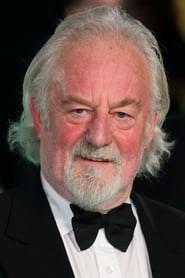
Bernard Hill
Arthur
Bernard Hill's portrayal of Arthur in the 1991 British television film "Golden Years" is a nuanced and compelling embodiment of a character caught in the twilight of his life. Hill brings a subtle gravitas to the role, imbuing Arthur with a sense of wisdom and world-weariness that is both poignant and endearing. His performance is marked by a quiet intensity, as he navigates the complexities of aging with dignity and a touch of humor. Hill's Arthur is a man who finds himself out of step with the modern world, yet remains anchored by his principles and a deep sense of decency. The actor's restrained yet powerful delivery allows viewers to empathize with Arthur's struggles and triumphs, making his journey through the 'Golden Years' a memorable and deeply human story. Hill's work in this film is a testament to his versatility and depth as an actor, ensuring that his portrayal of Arthur resonates long after the credits roll.
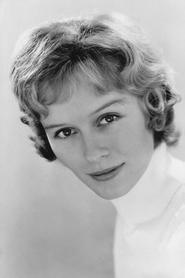
Virginia McKenna
Martha
Virginia McKenna delivered a poignant and emotionally resonant performance as Martha in the movie "Golden Years," a role that showcased her considerable acting talents. As the wife of a retired judge suffering from the onset of dementia, McKenna's portrayal was both tender and heartbreaking, capturing the profound love and the quiet despair of someone watching their life partner succumb to an inexorable illness. Her ability to convey the complex layers of Martha's experience—resilience in the face of adversity, the struggle to maintain normalcy, and the moments of vulnerability—added depth to the character. McKenna's performance was marked by a subtlety and nuance that anchored the film's exploration of memory, dignity, and the enduring power of love. Her interactions with her co-star, Peter Ustinov, who played her husband, were imbued with a chemistry and a shared history that lent authenticity to their on-screen partnership, making their journey through the "Golden Years" a touching and memorable cinematic experience.
Crew of Golden Years
Full backstage crew list →