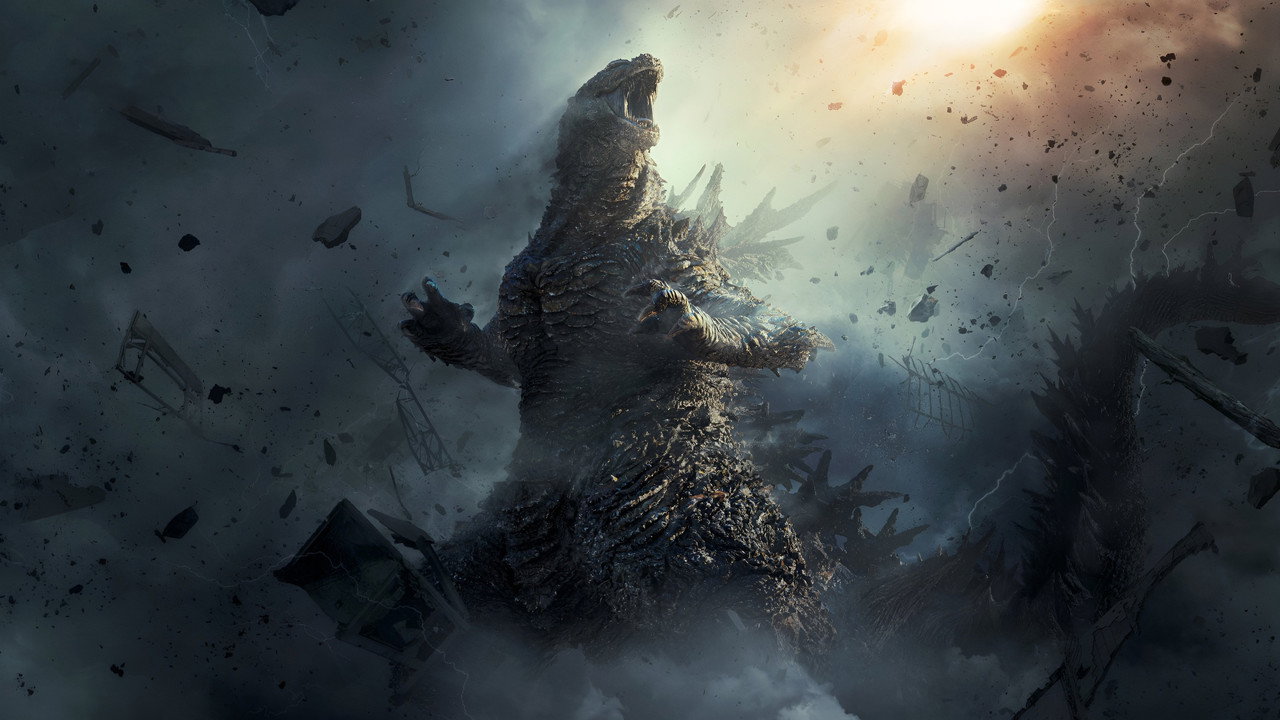
Godzilla Minus Zero transports viewers to 1949, just two years following the catastrophic events that defined its predecessor, Godzilla Minus One. At the heart of the narrative lies the Shikishima family, who find themselves confronting a fresh and formidable adversary that threatens not only their existence but the fragile peace post-disaster Japan has been attempting to rebuild. As the story unfolds, the family's resilience and unity are tested amid the chaos wrought by this new calamity, setting the stage for a gripping blend of personal struggle and epic monster mayhem.
Beyond its thrilling plot, Godzilla Minus Zero delves deep into themes of inheritance, trauma, and the enduring human spirit in the face of overwhelming disaster. The film subtly explores how past tragedies cast long shadows over families and nations alike, emphasizing the importance of confronting history rather than escaping it. Moreover, the narrative weaves in environmental undertones, echoing concerns about humanity's impact on nature and the monstrous consequences that might arise when balance is disturbed.
Upon release, Godzilla Minus Zero has resonated profoundly with fans and critics, reaffirming the franchise’s ability to reinvent itself while honoring its roots. Its nuanced storytelling, coupled with state-of-the-art special effects, has revitalized interest in classic kaiju cinema. The film's cultural impact extends beyond the screen, sparking discussions about post-war recovery, family dynamics, and environmental responsibility, ensuring Godzilla Minus Zero’s place as a significant and thought-provoking entry in pop culture.
Full Cast of Godzilla Minus Zero

Minami Hamabe
- Planned to be released November 03, 2026
- Part of Godzilla Minus Collection