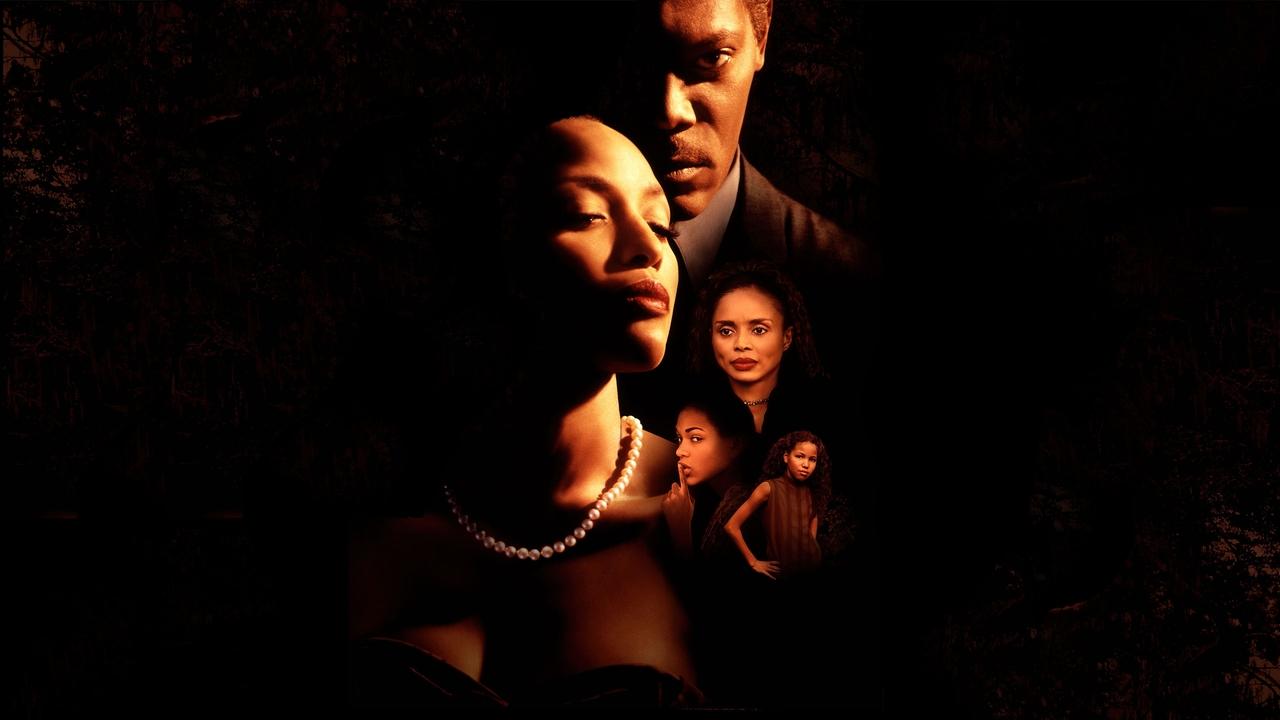
"Eve's Bayou," set in the sultry summer of 1962 in rural Louisiana, weaves the story of young Eve Batiste, portrayed by Jurnee Smollett, as she navigates the complex world of her family. Alongside her sister Cisely Batiste, played by Meagan Good, Eve witnesses the unraveling of long-held family secrets and the whispers of betrayal that threaten to fracture their close-knit bond. This cinematic journey pulls viewers into the haunting beauty of the bayou, where innocence meets the harshness of grown-up realities.
At its core, "Eve's Bayou" explores profound themes of memory, truth, and the complicated nature of family dynamics. The film delves deep into the impact of secrets and lies, the fragility of trust, and the resilience of love amidst adversity. It also highlights the unique cultural tapestry of Louisiana's Creole community, offering viewers a rich narrative steeped in spirituality, folklore, and the haunting ambiance of the bayou. Through Eve’s eyes, audiences grapple with perception versus reality, making the story resonate on a deeply personal level.
Upon its release, "Eve's Bayou" garnered critical acclaim for its lyrical storytelling, atmospheric cinematography, and powerful performances, particularly that of Jurnee Smollett. The film has since earned a revered place in pop culture, celebrated for its nuanced portrayal of African American life in the South and its contribution to the genre of Southern Gothic cinema. Its enduring legacy continues to influence filmmakers and audiences alike, cementing it as a poignant exploration of identity, family, and the mysteries that bind us.
Full Cast of Eve's Bayou
Jurnee Smollett
Meagan Good
Samuel L. Jackson

Debbi Morgan
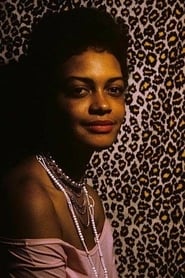
Ethel Ayler
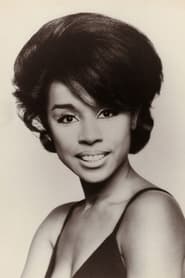
Diahann Carroll
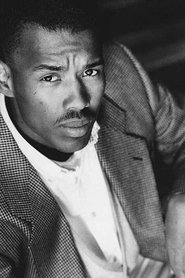
Marcus Lyle Brown
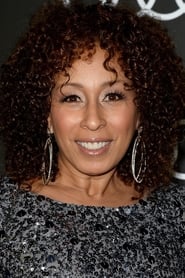
Tamara Tunie
Crew of Eve's Bayou
Full backstage crew list →- Released November 07, 1997