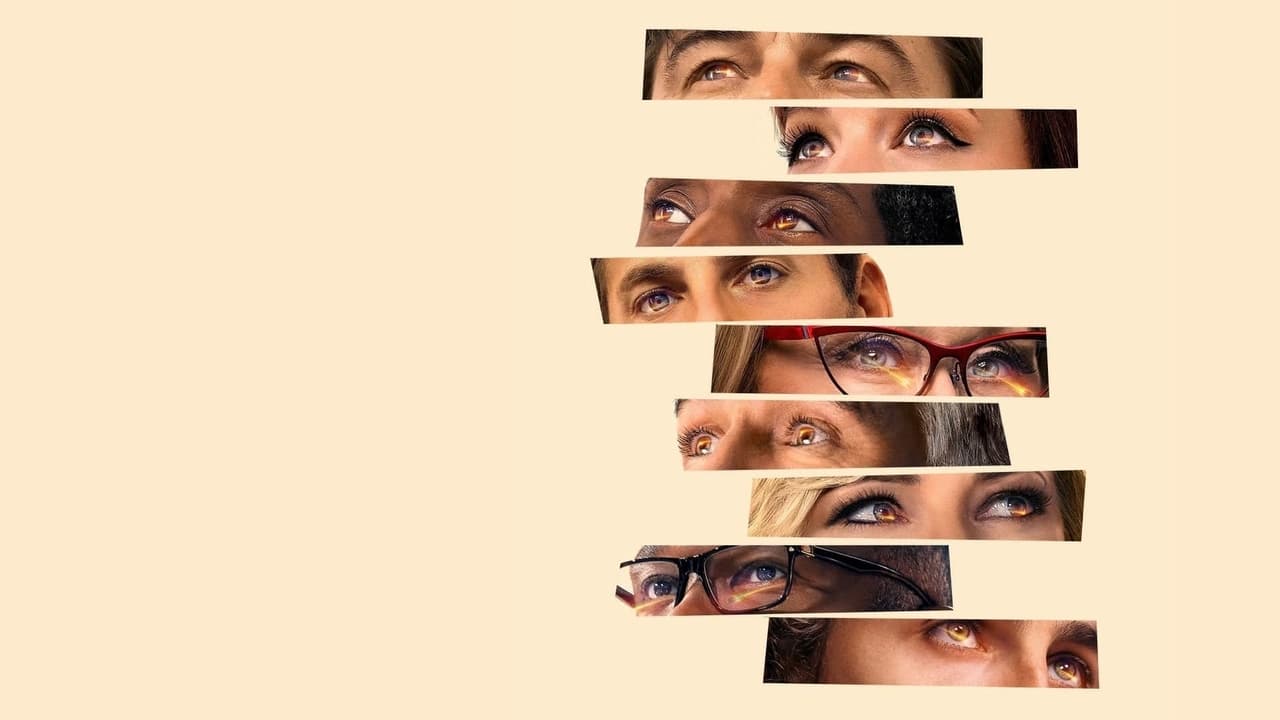
In the satirical film "Don't Look Up," directed by Adam McKay, we are introduced to two well-meaning astronomers, Dr. Randall Mindy, portrayed by Leonardo DiCaprio, and Kate Dibiasky, played by Jennifer Lawrence. Their journey begins when they discover a massive comet on a collision course with Earth, a celestial threat capable of causing untold destruction. Understanding the urgency of the situation, the duo embarks on a media tour to alert the world to this impending doom. However, what they encounter is a society more absorbed in trivial matters and sensational headlines than the existential crisis at hand.
As Dr. Mindy and Kate try to convey the seriousness of their discovery, they are met with skepticism and indifference from both the government and the public. The film brilliantly illustrates the disparity between the scientists' dire warnings and the apathetic response from a world preoccupied with social media trends, political controversies, and celebrity gossip. Their efforts to rally support and mobilize action are met with a shocking level of dismissal, encapsulated in the reaction of many characters who trivialize the comet threat with a casual "meh." This situational irony serves as a sharp commentary on contemporary society's struggle to address urgent issues in the face of distraction and complacency.
Throughout the film, McKay utilizes humor and absurdity to explore deeper themes regarding climate change, scientific denial, and the role of media in shaping public perception. As the plot unfolds, viewers are taken on a rollercoaster of emotions, moving from dark comedy to a sobering reflection on our collective responsibility to heed warnings about the future. Through the performances of DiCaprio and Lawrence, coupled with a talented ensemble cast, "Don't Look Up" offers a poignant yet entertaining critique of how humanity grapples with pressing crises, ultimately urging viewers to confront their own engagement—or lack thereof—with the realities we face.
Main Cast of Don't Look Up

Leonardo DiCaprio

Jennifer Lawrence

Meryl Streep

Cate Blanchett

Rob Morgan

Jonah Hill

Mark Rylance

Tyler Perry

Timothée Chalamet

Ron Perlman

Ariana Grande
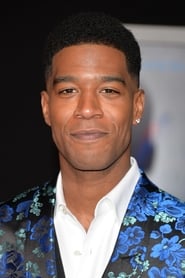
Kid Cudi

Himesh Patel

Melanie Lynskey
Crew of Don't Look Up
Full backstage crew list →- Released December 08, 2021