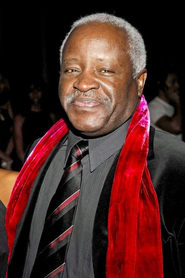
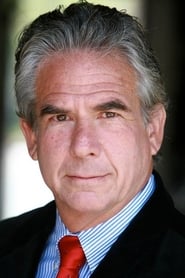
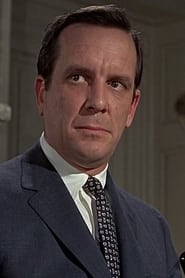
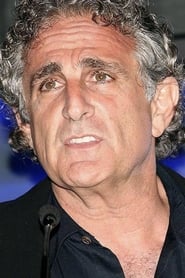
In the gripping thriller 'Death Wish', we follow the harrowing journey of Paul Kersey, portrayed masterfully by Charles Bronson. Paul is a New York City architect who embodies the ideals of peace and non-violence, dedicated to his family and career. However, his life takes a devastating turn when his beloved wife, Joanna Kersey, played by Hope Lange, becomes a victim of a brutal murder at the hands of ruthless street punks. This tragic event shatters Paul’s world and forces him to confront the harsh realities of urban crime, leaving him ridden with grief and a thirst for justice that his peaceful nature struggles to accept.
As Paul grapples with his overwhelming sorrow, the once-pacifistic architect transforms into a relentless vigilante, prowling the darkened streets of New York City with a newfound sense of purpose. He becomes a one-man squad against crime, aggressively pursuing would-be muggers and criminals who threaten the safety of others. Paul’s journey plunges him into a moral twilight, as he navigates the thin line between justice and vengeance, questioning the very fabric of his ethics while engaging in high-stakes confrontations that leave him both exhilarated and haunted.
'Death Wish' is not just a tale of retribution; it serves as a profound reflection on the response to violence and the human condition. Through Paul Kersey’s transformation, the film raises unsettling questions about the lengths to which a person will go when pushed to the edge. As the audience witnesses the unraveling of a man propelled by grief, they are forced to consider the implications of his actions and the societal issues that drive individuals to become vigilantes. With a compelling performance from Bronson, and a poignant portrayal by Lange as the love lost, 'Death Wish' remains an impactful examination of justice, grief, and the moral complexities of seeking retribution.
Main Cast of Death Wish
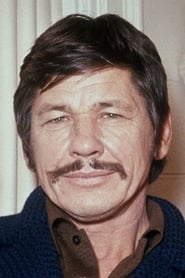
Charles Bronson
Paul Kersey
Charles Bronson's portrayal of Paul Kersey in the 1974 vigilante film "Death Wish" is a tour de force of simmering intensity and quiet determination. Bronson embodies the role of the mild-mannered architect turned hardened vigilante with an understated gravitas that commands the screen. His transformation from a bereaved husband and father into a resolute avenger is both chilling and compelling, as he methodically seeks vengeance against the criminals who victimized his family. Bronson's stoic presence and gravelly voice lend an air of authenticity to the character's pain and resolve, making Kersey's descent into vigilantism not only believable but also oddly relatable. His performance is marked by a physicality that conveys Kersey's growing comfort with violence, alongside a moral ambiguity that invites the audience to wrestle with the implications of his actions. Bronson's Kersey is neither a traditional hero nor a villain; he is an everyman pushed to the brink, and through Bronson's nuanced portrayal, the character becomes an enduring symbol of the human capacity for retribution in the face of tragedy.
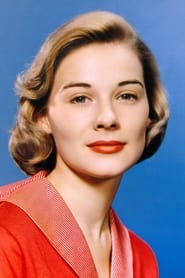
Hope Lange
Joanna Kersey
Hope Lange delivered a poignant and nuanced performance as Joanna Kersey in the 1974 film "Death Wish," directed by Michael Winner. As the wife of Paul Kersey, played by Charles Bronson, Lange portrayed a woman whose world is shattered by a brutal attack that leaves her husband grappling with a newfound thirst for vigilante justice. Lange's Joanna is the emotional anchor of the film, providing a tender and compassionate counterbalance to Bronson's stoic and increasingly violent character arc. Her performance is marked by a delicate balance of love, fear, and sorrow, as she struggles to cope with the aftermath of the crime that irrevocably alters her family's life. Lange's portrayal of Joanna's trauma and her attempt to maintain normalcy is both heart-wrenching and authentic, offering a stark contrast to the escalating violence that surrounds her. Her scenes with Bronson are particularly affecting, as they convey the deep bond between husband and wife, and the unraveling of their shared sense of security and trust in the world around them. Hope Lange's performance is a testament to her ability to imbue her character with a quiet strength and vulnerability that resonates long after the film's credits roll.

Vincent Gardenia
Frank Ochoa
Vincent Gardenia delivered a compelling performance as Detective Frank Ochoa in the 1974 vigilante thriller "Death Wish," directed by Michael Winner. As the seasoned police detective tasked with tracking down the elusive vigilante, Gardenia brought a sense of authenticity and gravitas to the role, effectively embodying the weary yet determined spirit of a man caught in the complex moral quandaries of urban crime-fighting. His portrayal of Ochoa is nuanced; he is both sympathetic to the plight of the city's citizens and the increasing crime rates, while also being ethically opposed to the vigilante's methods. Gardenia's performance is a standout aspect of the film, as he grapples with the public's growing support for the mysterious vigilante, played by Charles Bronson, and the challenge it poses to the rule of law. His interactions with Bronson's character are charged with a subtle cat-and-mouse dynamic, which adds layers of tension to the narrative. Gardenia's Ochoa serves as the moral compass of the film, compelling audiences to ponder the consequences of taking the law into one's own hands, and his strong screen presence ensures that the character's dilemmas resonate long after the credits roll.
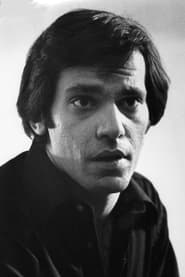
Steven Keats
Jack Toby
Steven Keats delivered a compelling performance as Jack Toby in the 1974 vigilante film "Death Wish," directed by Michael Winner. As the streetwise, philosophical numbers man, Keats brought a layered depth to the character, serving as a moral counterbalance to Charles Bronson's Paul Kersey. His portrayal of Jack Toby is nuanced, exuding an air of world-weary cynicism tempered by a genuine concern for his friend's descent into vengeful violence. Keats's performance is highlighted by his character's impassioned monologue, where he challenges Kersey's vigilantism, questioning the morality and impact of his actions on society. It's a standout moment that underscores the film's themes and adds a complex, human perspective to the narrative. Keats's ability to convey Toby's internal conflict and his authentic, no-nonsense demeanor lend a sense of gravity and reflection to the film, making his character one of the more memorable and thought-provoking elements of "Death Wish."
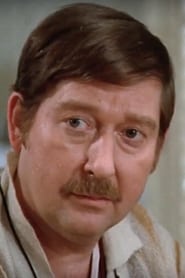
William Redfield
Sam Kreutzer
William Redfield delivered a memorable performance as Sam Kreutzer in the 1974 vigilante film "Death Wish," directed by Michael Winner. As the best friend of Paul Kersey, portrayed by Charles Bronson, Redfield brought a nuanced depth to the character of Sam, a successful radio show host who grapples with the escalating violence in New York City. His performance is highlighted by a pivotal scene in which Sam discusses the impact of crime on society, reflecting the film's central themes of justice and retribution. Redfield's portrayal of Sam is both earnest and empathetic, serving as the moral compass to Bronson's increasingly hardened vigilante. His ability to convey a sense of outrage and frustration, coupled with a genuine concern for his friend's descent into vengeance, adds a layer of complexity to the film's exploration of the consequences of violence. Redfield's on-screen presence is a stark reminder of the human cost of crime and the ethical dilemmas faced by those caught in its crosshairs.
Secondary Cast of Death Wish
Christopher Logan
Freak #2
Ken Ackles
Mugger in Park #1 (uncredited)
Marshall Anker
Mourner at funeral (uncredited)
Robyn Blythe
Woman in Chicago (uncredited)
Bruce Brown
Newsman (uncredited)
Robert Dahdah
Man on Street (uncredited)
Hector Freeman
Mugger on Street (uncredited)
Beverly Goodman
Little Bo-Peep (uncredited)
Carson Grant
Street Gang and Police Officer (uncredited)
Lee Steele
Office Security Guard (uncredited)
B.T. Taylor
Mugger (uncredited)
John G. Becher
Subway Station Mugger #1 (uncredited)
Bruce Brown
Newsman (uncredited)
Crew of Death Wish
Full backstage crew list →