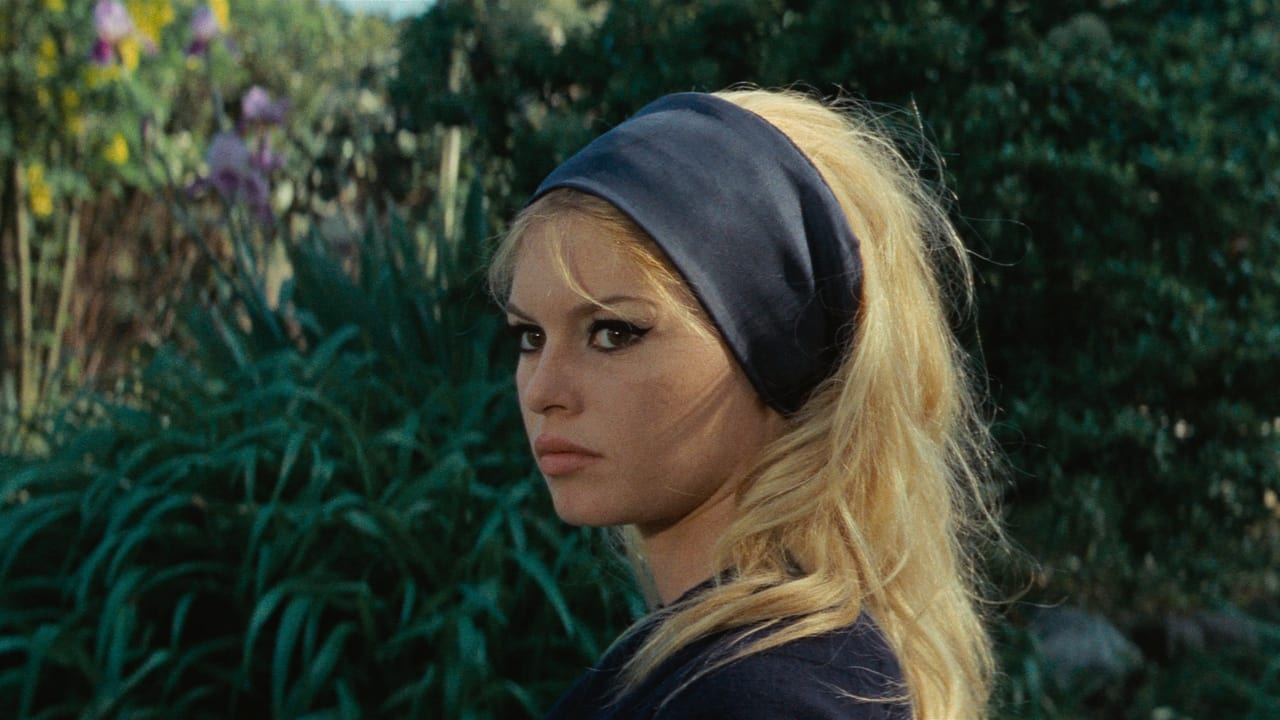
"Contempt" delves into the tumultuous world of film production through the eyes of Jeremy Prokosch, a pragmatic and often cynical producer entrenched in the art film industry. Discontented with the creative direction of his current project, Prokosch embodies the clash between commercial interests and artistic vision. His latest endeavor involves enlisting the legendary director Fritz Lang to helm an ambitious adaptation of Homer's epic, "The Odyssey." Despite Lang's esteemed reputation, the producer grows increasingly anxious as the film appears poised to disappoint at the box office, threatening both its legacy and financial viability.
In an effort to salvage the project, Prokosch brings aboard a passionate screenwriter tasked with revitalizing the screenplay and injecting new energy into the narrative. This move sets in motion a complex dynamic within the production, wherein professional ambitions collide with personal relationships. The screenwriter's dedication to his craft and his evolving interactions with the production team introduce unforeseen challenges and creative tensions, reflecting the broader struggles inherent in collaborative filmmaking.
Amidst these professional upheavals, the story explores the deeply personal consequences of the creative process, particularly as a rift emerges between the screenwriter and his wife. Their strained relationship serves as a poignant counterpoint to the film's troubled production, highlighting themes of ambition, compromise, and the sacrifices made in the pursuit of art. "Contempt" ultimately offers a rich, multifaceted portrayal of the fragile balance between art and commerce, and the human emotions intertwined within the cinematic world.
Full Cast of Contempt
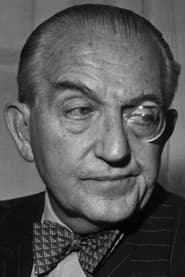
Fritz Lang
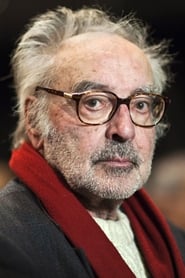
Jean-Luc Godard

Brigitte Bardot
Crew of Contempt
Full backstage crew list →- Released October 29, 1963