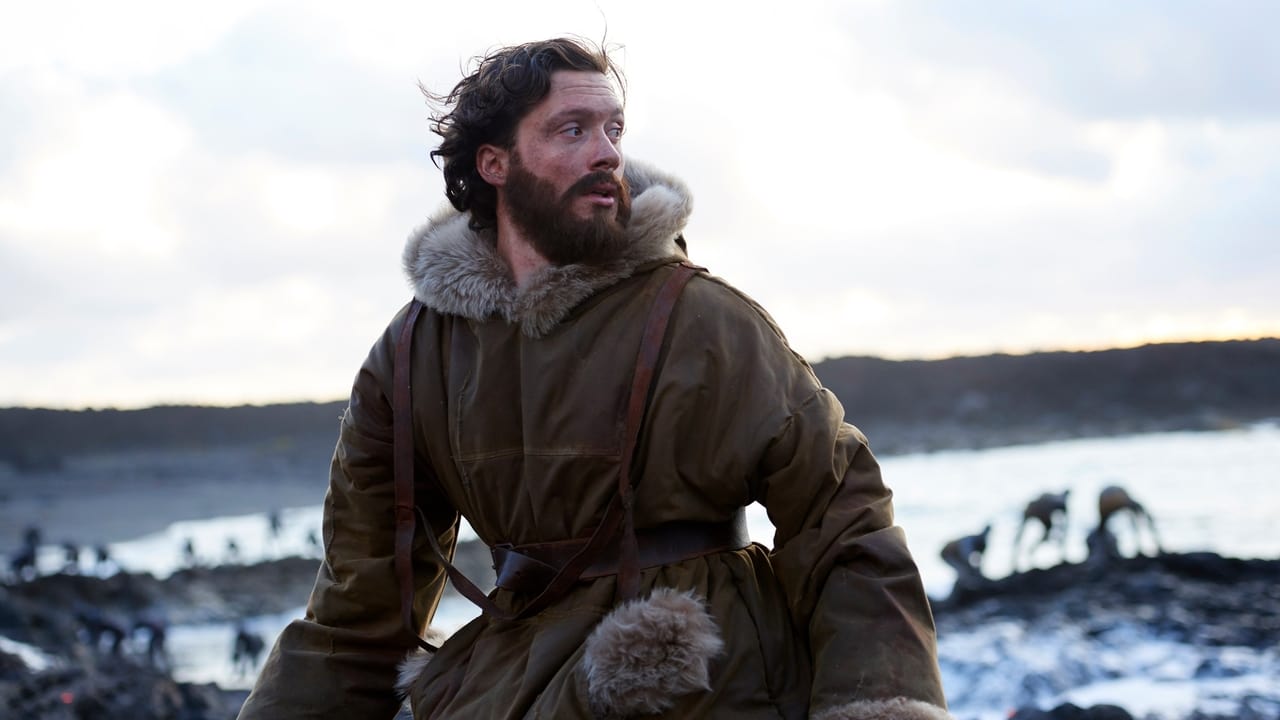
Cold Skin follows the harrowing journey of a young meteorologist who arrives on a desolate island to take up his post, only to find himself ensnared in a terrifying struggle for survival against mysterious amphibious creatures lurking beneath the waves. As isolation and fear set in, he forms an uneasy alliance with the island's solitary lighthouse keeper, unraveling the island's dark secrets. Together, they confront not only the monstrous beings but also the shadows of their own humanity.
At its core, Cold Skin explores profound themes of isolation, the nature of monstrosity, and the blurred lines between civilization and savagery. The film delves into the psychological toll of loneliness and the primal instincts awakened by fear. It challenges viewers to consider who the true monsters are — the creatures from the sea or the men themselves — highlighting the fragility of human morality when confronted with the unknown. This allegorical narrative offers a meditation on empathy, otherness, and the consequences of human hubris.
Since its release, Cold Skin has garnered a cult following for its atmospheric storytelling and striking visual style. While it may not have achieved mainstream blockbuster status, its thought-provoking narrative and haunting mood have influenced modern horror and sci-fi genres, inspiring filmmakers to blend psychological depth with genre thrills. The film stands as a compelling piece of cinema that invites reflection on humanity’s darkest fears and the thin veneer separating us from the wilderness.
Main Cast of Cold Skin

Ray Stevenson

David Oakes
Crew of Cold Skin
Full backstage crew list →- Released October 20, 2017