
"Code Geass: Lelouch of the Re;Surrection" picks up in the second year of the Kowa Period, a time when the world has seemingly achieved peace under the United Federation of Nations. However, this peace is shattered when Suzaku Kururugi, disguised as the masked vigilante "Zero," is defeated alongside Nunnally during a mission to a refugee camp. Their capture sparks a cascade of events as key characters like Kallen, Lloyd, and Sayoko undertake a covert operation into Zilkistan, a land defined by ancient warrior traditions and enigmatic conflicts intertwined with the powerful supernatural force known as Geass. The involvement of the cryptic figure C.C. and the mysterious intentions of the Zilkistan people raise profound questions about the interplay between hope and despair in this indomitable kingdom.
Central to the narrative are themes of unity, power, and the struggle for peace amidst chaos. The film delves into the moral complexities of leadership and rebellion, echoing the series' longstanding exploration of identity and sacrifice. The presence of Geass as a double-edged sword symbolizes the burden of power — one that can yield salvation or destruction depending on its wielder's choices. Characters such as Suzaku and C.C. embody the tension between past legacies and the hope for renewal, while the political intrigue in Zilkistan emphasizes how history and culture influence present conflicts. Ultimately, the story confronts whether peace is sustainable without addressing the underlying fractures that drive despair.
Reception of "Lelouch of the Re;Surrection" was generally positive, with fans appreciating the continuity it provides to the iconic "Code Geass" saga. The film's blend of dynamic action, compelling character development, and thoughtful thematic content has reinforced its status in pop culture as a captivating continuation of Lelouch's legacy. Voice performances by actors like Takahiro Sakurai as Suzaku and Ayumu Murase as Shalio have been praised for bringing depth and nuance to their roles. This work not only celebrates the rich mythology of "Code Geass" but also resonates with audiences who value stories that challenge notions of power and peace in complex worlds.
Full Cast of Code Geass: Lelouch of the Re;Surrection
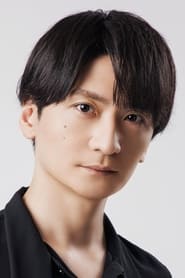
Nobunaga Shimazaki

Jun Fukuyama

Ami Koshimizu

Akio Otsuka

Kaori Nazuka

Kenjiro Tsuda

Takahiro Sakurai

Ayumu Murase

Wataru Takagi
Crew of Code Geass: Lelouch of the Re;Surrection
Full backstage crew list →- Released February 09, 2019