In the gripping film "Cassandra," we are introduced to a complex narrative revolving around the themes of friendship, trust, and the quest for truth. The story centers on Cassandra, portrayed with depth and nuance, as she grapples with the repercussions of a night that could turn her world upside down. When she accidentally witnesses a drunken encounter between her close friend, Jason, played by Bryan Fitzgerald, and her roommate, Judy, interpreted by Marguerite Stimpson, she is thrust into a moral dilemma that challenges her perceptions of both her friends and the meaning of consent.
As Cassandra embarks on her investigation, she is determined to uncover the reality of the events that transpired that fateful night. Her journey is not just an external one but also an introspective exploration of her own beliefs and values surrounding relationships and accountability. Throughout the film, viewers are taken on a turbulent ride as Cassandra encounters obstacles, from societal pressures to the complexity of her friendships. Each step she takes adds weight to the narrative, compelling the audience to contemplate the nuances of consent and the often-blurry lines that exist within interpersonal connections.
"Cassandra" delves deep into the emotional turmoil faced by its characters, particularly through the performances of Fitzgerald and Stimpson, who bring authenticity to their portrayals. The film resonates with contemporary audiences as it sheds light on important topics that affect many young adults today. With its powerful narrative and strong character development, "Cassandra" challenges viewers to reflect on their own perspectives and the significant impact that choices made in the heat of the moment can have on people's lives.
Full Cast of Cassandra


Marguerite Stimpson
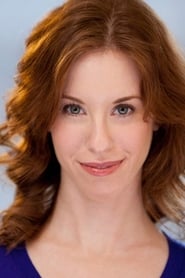
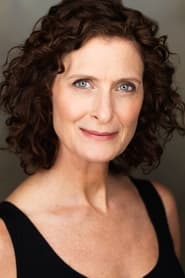
Mathia Vargas
Hannah Fournier
Griffin Stanton-Ameisen
Ellie Sanchez
Siobhán Carroll
Crew of Cassandra
Full backstage crew list →- Released on July 31, 2021