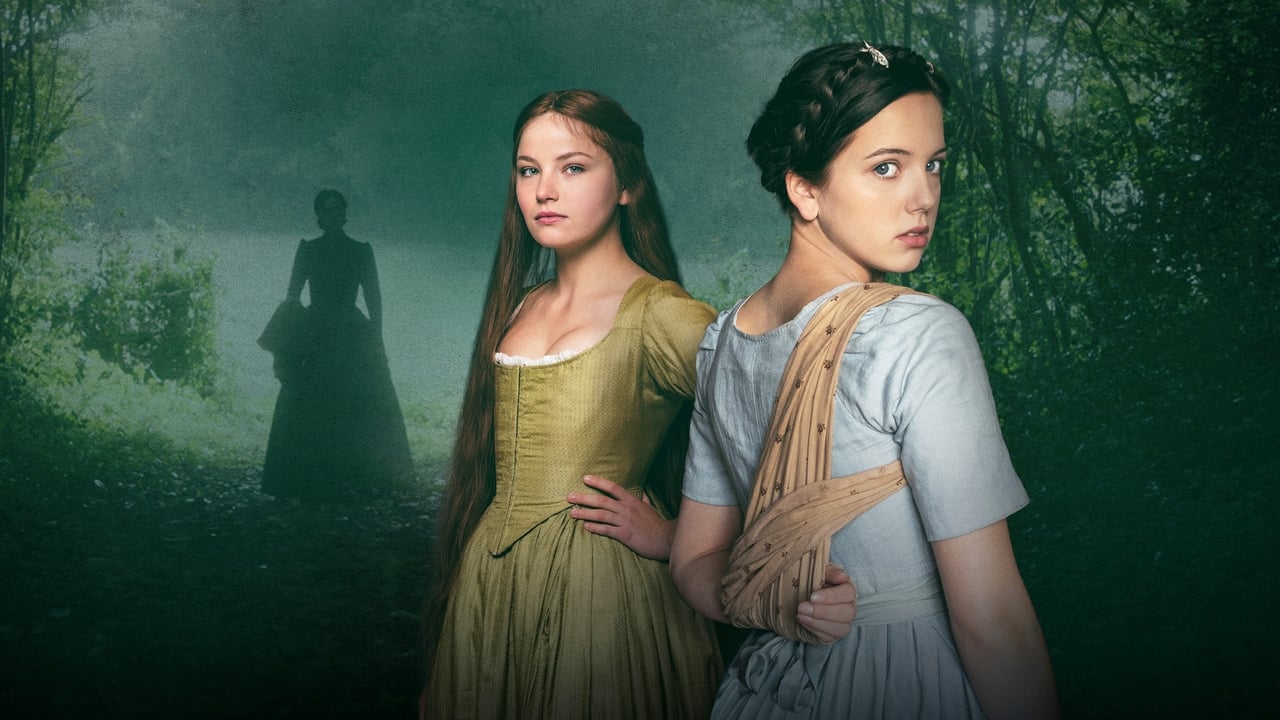
"Carmilla," set in 19th-century Styria, unravels the story of Lara, a secluded teenager whose tranquil existence is disrupted by the enigmatic and alluring Carmilla, a female vampire. Their intense and deeply personal connection grows amidst the eerie backdrop of the supernatural, leading Lara to uncover not only Carmilla's vampiric identity but also revelations about her own heritage. The narrative skillfully blends gothic horror with an intimate coming-of-age tale, grounding the supernatural in emotive human experience.
At its core, "Carmilla" delves into themes of forbidden desire, self-identity, and the exploration of the unknown. The relationship between Lara and Carmilla challenges 19th-century social norms, particularly regarding sexuality, presenting a nuanced portrayal of homoerotic attraction long before it became commonplace in literature and media. Additionally, the story explores the duality of fear and fascination with the supernatural, mirroring the internal conflicts of adolescence and the quest for self-understanding.
Over time, "Carmilla" has carved a lasting niche in gothic and queer literature, influencing countless adaptations across film, television, and literature. Its impact on pop culture is evident in how it paved the way for more diverse representations of vampirism and LGBTQ+ themes in media. The narrative’s blend of horror and sensuality continues to resonate, making "Carmilla" a seminal work that challenges conventions and invites audiences to reconsider the intersection of identity, desire, and the supernatural.
Full Cast of Carmilla

Hannah Rae

Devrim Lingnau
Tobias Menzies
Greg Wise

Jessica Raine
Scott Silven
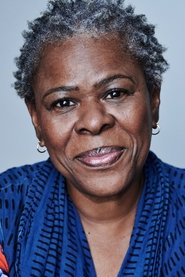
Lorna Gayle
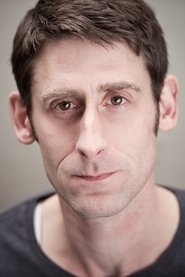
Daniel Tuite

Colin Blumenau
Joseph Baxter
Crew of Carmilla
Full backstage crew list →- Released July 17, 2020