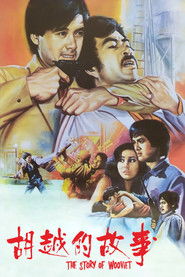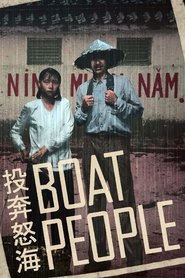
The "Vietnam Trilogy" stands as a poignant cinematic testament to a tumultuous era in Hong Kong's history, encapsulating the city's complex relationship with Vietnamese refugees through the lens of award-winning director Ann Hui. This collection of works, which includes the television drama "Below the Lion Rock: The Boy from Vietnam," and the films "The Story of Woo Viet" and "Boat People," provides a nuanced exploration of the refugee experience during a time when Hong Kong inadvertently became a beacon of hope for those fleeing the aftermath of the Vietnam War. Prior to the city's formal recognition as a 'first port of asylum' in 1979, tens of thousands of Vietnamese had already sought refuge in Hong Kong, arriving by cargo ships in a desperate bid for safety and a better life. Hui's first foray into this narrative, "Below the Lion Rock: The Boy from Vietnam," aired in 1978 and offered viewers a compassionate portrayal of the challenges faced by a young Vietnamese boy navigating his new life in the city.
As the political and social landscape of Hong Kong evolved, with the influx of Vietnamese migrants becoming a contentious and divisive issue, Hui's filmmaking prowess shone through in her subsequent works. "The Story of Woo Viet," released in 1981, delved deeper into the struggles of a refugee trying to establish a sense of identity and belonging amidst the societal tensions of Hong Kong. The film, with its gritty realism and empathetic storytelling, resonated with audiences and critics alike, cementing Hui's reputation as a filmmaker capable of addressing sensitive socio-political themes with both depth and grace. The trilogy's concluding chapter, "Boat People," released in 1982, further solidified Hui's status as a visionary director. Set against the backdrop of the Vietnamese refugee crisis, the film offers a harrowing account of life in post-war Vietnam and the perilous journey undertaken by those seeking asylum, capturing the human cost of political upheaval and the indomitable spirit of survival.
Collectively, Ann Hui's Vietnam Trilogy serves not only as a chronicle of Hong Kong's interaction with a marginalized community during a pivotal moment in history but also as a showcase of Hui's growth as a filmmaker. Her trilogy captures the essence of the refugee experience with unflinching honesty and a profound understanding of the human condition. Through these three interconnected narratives, Hui brings to light the personal and collective stories of those who found themselves on the periphery of society, crafting a body of work that remains as relevant today as it was during its time of creation. The trilogy marked a significant period in Hui's career, propelling her to international acclaim and establishing her as one of the most important voices in Hong Kong cinema, known for her commitment to telling stories that challenge and inspire.