Dietrich Bonhoeffer was a remarkable figure in the tumultuous landscape of World War II Germany. As a German pastor and theologian, he played a pivotal role in the Confessing Church, which emerged in direct opposition to the Nazi regime's attempts to manipulate Christianity for political purposes. Bonhoeffer's commitment to his faith and his moral convictions drove him to become an outspoken anti-Nazi dissident. His life was an embodiment of resistance against tyranny, characterized not only by his sermons and writings but also by his involvement in clandestine activities aimed at undermining Adolf Hitler’s oppressive regime.
Bonhoeffer’s theological reflections were profound and deeply insightful, notably emphasizing the necessary relationship between Christianity and the ethical demands of the secular world. His seminal works continue to resonate with contemporary audiences, as he challenged believers to consider their active role in society, advocating for justice and responsibility in the face of evil. His ideas about discipleship and the ‘cost of grace’ have inspired countless individuals and movements striving for moral integrity amidst challenging circumstances. Bonhoeffer believed that faith must be expressed through action, a notion that remains a cornerstone of Christian theology today.
As a spy and a dissenter, Bonhoeffer's activities went far beyond theological discourse; his willingness to stand against the tide of oppression led him into the dangerous realm of espionage. He was deeply involved in plots to assassinate Hitler, demonstrating his commitment to securing freedom for others. Tragically, Bonhoeffer was arrested and executed by the Nazis in 1945, but his legacy endures, shining a light on the importance of ethical action and faith in difficult times. His life and work serve as a powerful testament to the struggle for justice, encouraging future generations to uphold the values of integrity, courage, and compassion.
Full Cast of Bonhoeffer: Holy Traitor
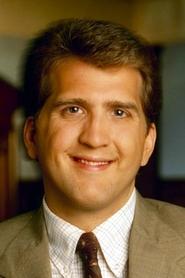
Daniel Roebuck

Jeremy John Wells

Nathan Clarkson

Matt Grossman

Eric Strong
Crew of Bonhoeffer: Holy Traitor
Full backstage crew list →- Released on April 04, 2025