From Shambling Corpses to the Rage Virus
The Evolution of Zombie Movies
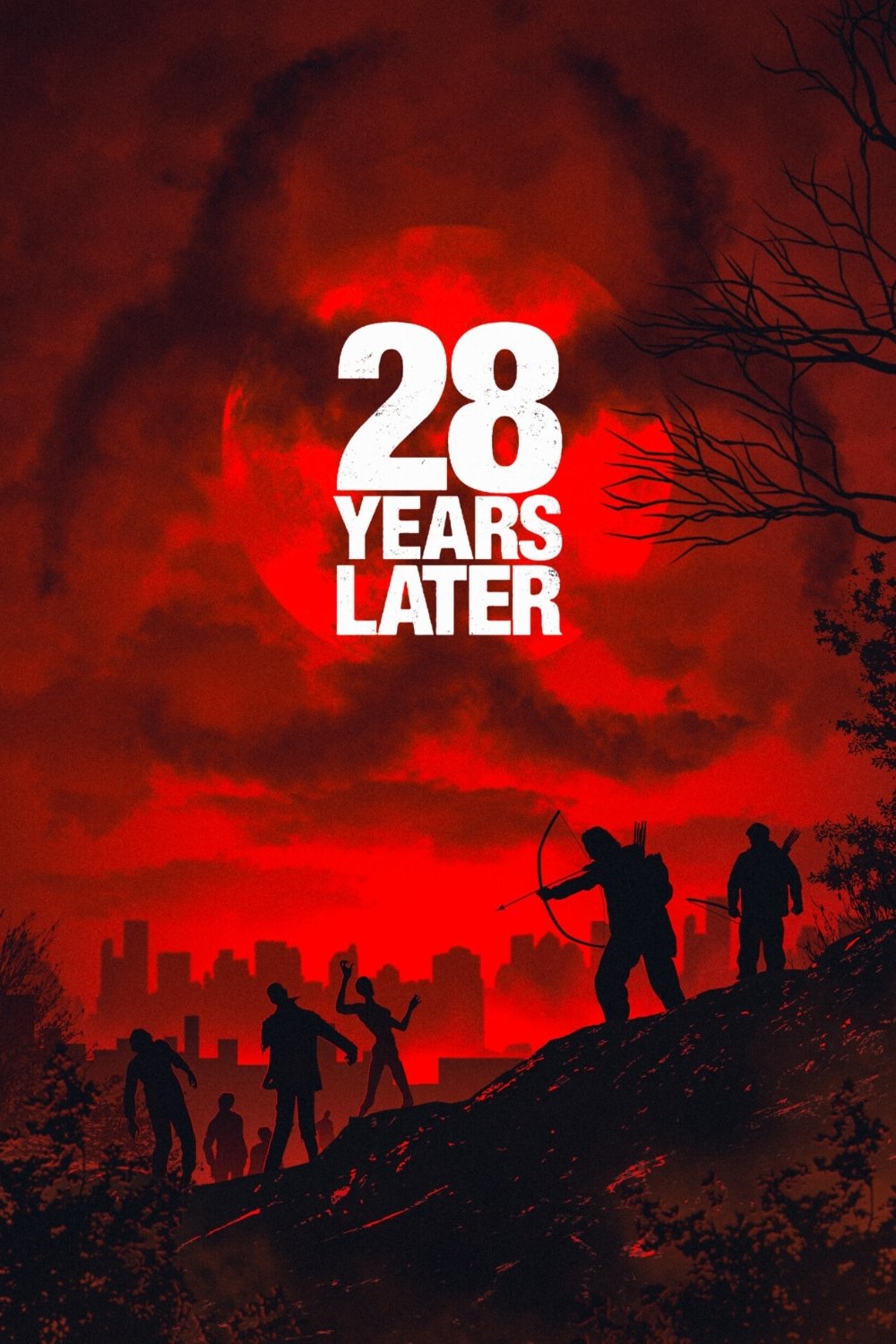
With the release of 28 Years Later (2025), Danny Boyle returns to the chilling world he first unleashed in 28 Days Later (2002) and continued in 28 Weeks Later (2007).
This new installment marks more than just the continuation of a beloved trilogy—it’s a timely moment to reflect on the remarkable evolution of zombie cinema! 🧟🧟🧟
From its early days of voodoo-fueled suspense to the high-octane, infection-driven thrillers of the modern age, zombie films have continually reshaped themselves to reflect the fears and anxieties of their time.
From Folklore to Flesh-Eaters
The zombie genre has humble roots, beginning with films like White Zombie (1932), which portrayed the undead through the lens of Haitian folklore and mysticism. These early incarnations were less about gore and apocalypse, and more about otherness and exotic fear.
But everything changed with George A. Romero’s groundbreaking Night of the Living Dead (1968). This film redefined the zombie as a slow-moving, flesh-eating ghoul and introduced the now-familiar concept of the zombie apocalypse. Romero’s work, including Dawn of the Dead (1978) and Day of the Dead (1985), also embedded sharp social commentary, using the undead as metaphors for consumerism, militarism, and social decay.
The Viral Turn: Zombies in the 21st Century
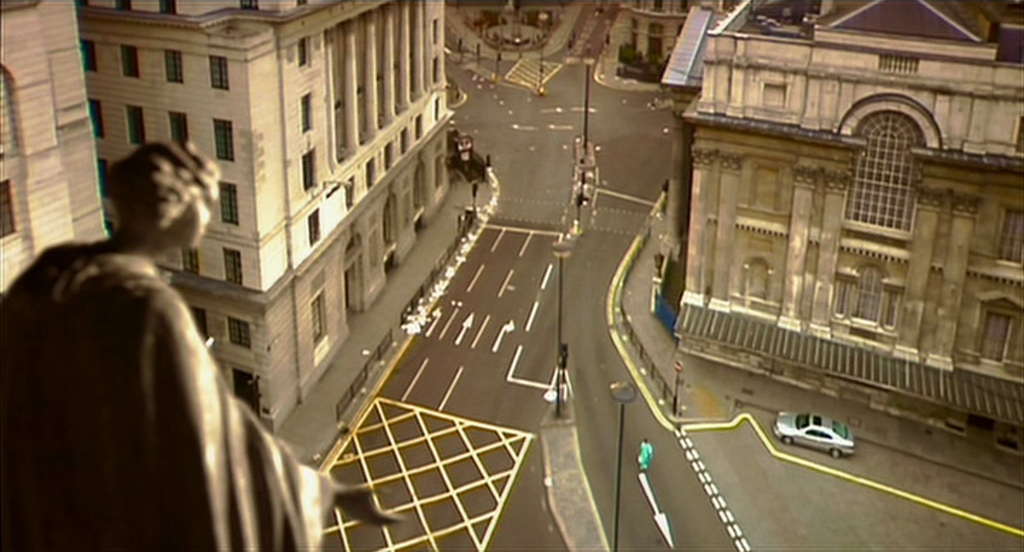
Fast forward to the early 2000s, and the genre received a jolt of adrenaline with 28 Days Later (2002).
Boyle’s vision didn’t just reimagine zombies—it reinvented the entire tone of the genre. These weren’t the shambling corpses of old. The infected in 28 Days Later (2002) were fast, furious, and terrifyingly human. The cause of the outbreak—a “Rage” virus—added a contemporary, biological edge to the horror, echoing real-world fears of pandemics and viral outbreaks.
This shift paved the way for a new wave of zombie films. Dawn of the Dead (2004) featured sprinters instead of stumblers. World War Z (2013) introduced a global-scale catastrophe with relentless hordes. Even television followed suit, with The Walking Dead (2010–2022) exploring the emotional toll of long-term survival amid undead chaos.
Global Horrors: Zombies Around the World
While Hollywood has dominated the zombie genre, international cinema has offered some of the most compelling and innovative takes. South Korea’s Train to Busan (2016) reinvigorated the genre with high-stakes action and emotional storytelling, set entirely on a speeding train. Its prequel Seoul Station (2016) and sequel Peninsula (2020) expanded that universe with critiques of class and survival.
Another standout from South Korea is the historical horror series Kingdom (2019–2021). Set during the Joseon dynasty, the show masterfully blends political intrigue with supernatural terror. The zombie outbreak in Kingdom (2019) is tied to royal succession and corruption, offering both thrilling suspense and sharp commentary on power and inequality. Its period setting and lavish production design set it apart from modern-day zombie tales, while the fast-moving undead and claustrophobic action sequences maintain the intensity fans of the genre expect.
In Japan, I Am a Hero (2015) delivered graphic, manga-inspired horror with a flawed, reluctant protagonist. Meanwhile, France brought a quieter, more introspective take with The Returned (2004), a TV series that imagined the dead returning not as monsters, but as confused individuals trying to reclaim their lives.
These non-English entries often emphasize emotional depth, social context, and psychological horror, adding cultural richness to a genre sometimes dominated by spectacle.
A New Dawn with 28 Years Later
Now, with 28 Years Later (2025), we may be seeing a new chapter — one that revisits the “fast zombie” archetype with fresh eyes.
Early trailers hint at a world irrevocably changed, not just by infection but by how humanity has learned (or failed) to adapt. Will this new entry revive the apocalyptic urgency that made its predecessors so resonant, or will it forge an entirely new path?
Either way, zombie movies continue to evolve, proving that even in undeath, they’re far from lifeless.
About the Author: Lauren Biktas