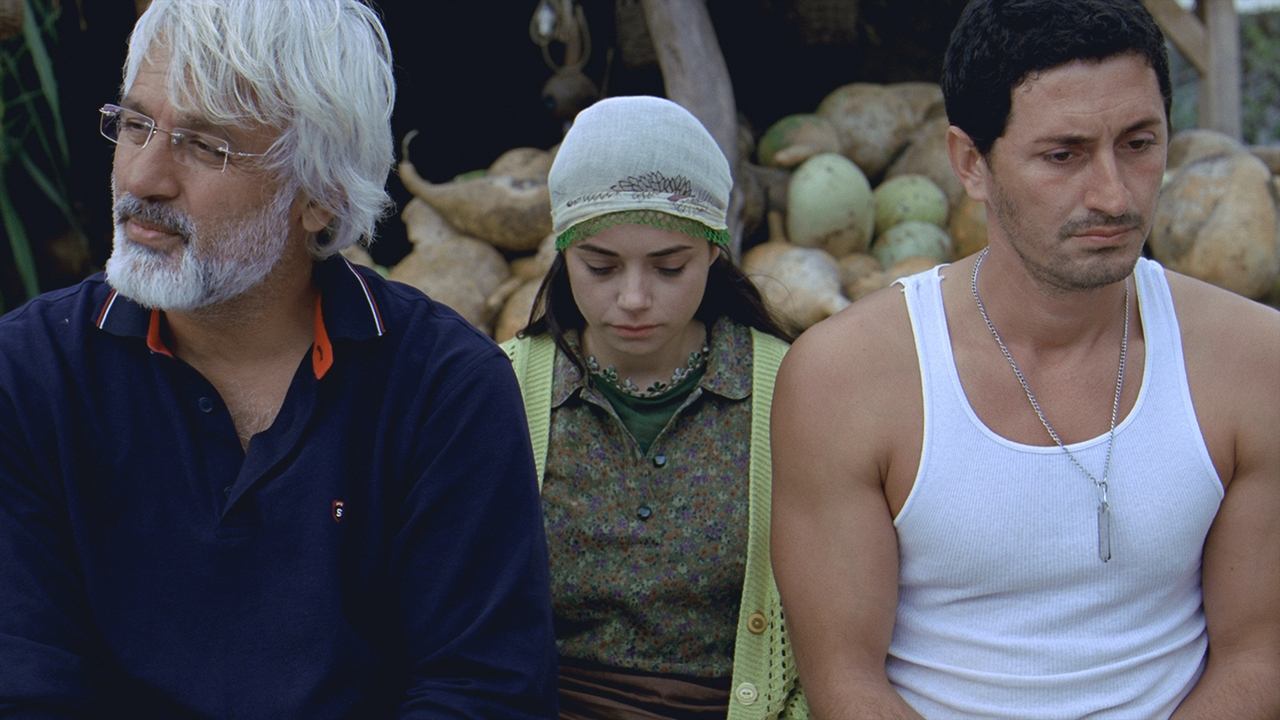
Bliss follows the harrowing journey of Meryem, a 17-year-old girl whose life is shattered after she becomes a victim of sexual assault. In the rigid confines of her village, ancient customs dictate that her honor, and by extension that of her family and community, can only be restored through a tragic ritual: Meryem must be killed. The weight of these traditions looms heavily over the village, revealing the stark conflict between age-old beliefs and individual humanity.
Cemal, the eldest son of the village leader, is entrusted with the grim responsibility of carrying out this brutal task. He is commanded to escort Meryem to Istanbul with the intent to end her life. However, as they embark on this journey fraught with tension and moral turmoil, Cemal grapples with the enormity of his duty versus his emerging empathy towards Meryem. Their shared experiences and struggles slowly ignite a transformation in both, challenging the very foundations of their beliefs and the customs that bind them.
As the story unfolds, Bliss delves deep into themes of honor, justice, and redemption, painting a poignant picture of courage in the face of oppression. The characters’ internal battles mirror the broader societal conflict between tradition and modernity, prompting viewers to reflect on the true meaning of dignity and the cost of cultural dogma. Ultimately, Bliss is a powerful narrative about the resilience of the human spirit and the possibility of change amidst entrenched social norms.
Crew of Bliss
Full backstage crew list →- Released March 16, 2007