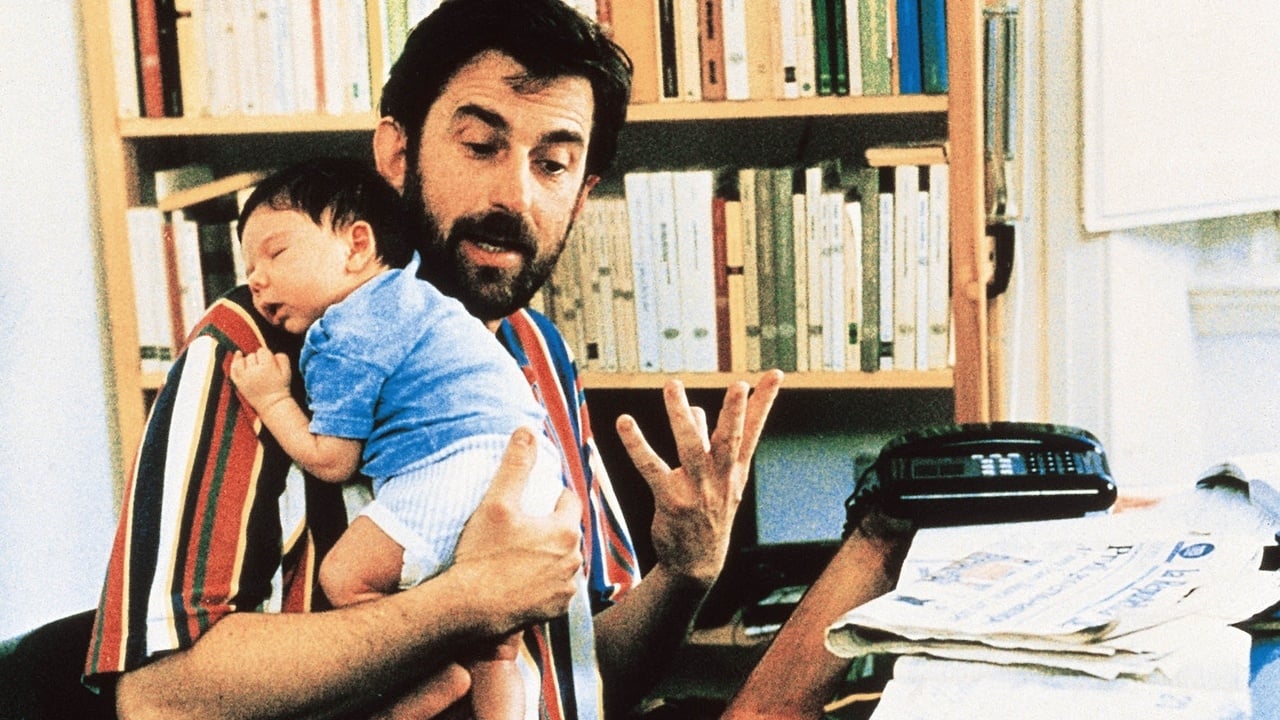
"Aprile," directed by and starring Nanni Moretti, is a semi-autobiographical film that unfolds in April 1996, capturing a pivotal moment in the filmmaker's life. The plot centers on Moretti as he navigates the profound transition into fatherhood while concurrently attempting to concentrate on his documentary project concerning Italy's impending national elections. This juxtaposition of personal and political spheres provides the narrative's backbone, blending contemplative introspection with the societal backdrop of a nation on the cusp of change.
The film explores themes of responsibility, identity, and the challenges of balancing private life with public engagement. Moretti's struggle to reconcile his new role as a parent with his artistic and political commitments highlights the universal tension between personal desire and collective duty. Through introspective dialogue and candid moments, "Aprile" reflects on the unpredictability of life’s transitions and the search for meaning amidst chaos. Additionally, the film subtly critiques political apathy and examines the complexities of media's role in political discourse.
Upon its release, "Aprile" received critical acclaim for its honest portrayal of the personal-political dichotomy and Moretti's characteristic blend of humor and insight. While it resonated strongly with audiences familiar with Italy's political climate, its themes of fatherhood and self-discovery held universal appeal. The film contributed to the discourse on the intersection of life and art, influencing contemporary Italian cinema and fostering dialogue about the impact of civic engagement on individual identity. Its legacy endures as a nuanced reflection on a transformative period both personally for Moretti and nationally for Italy.
Crew of Aprile
Full backstage crew list →- Released March 27, 1998