
Apocalypse in the Tropics is a compelling documentary that delves into the intertwining of religion and politics in modern Brazil. Directed by Petra Costa, the film explores the rapid rise of evangelical Christian influence over the country's political landscape, capturing intimate moments with key figures including President Lula, former president Bolsonaro, and a charismatic televangelist aspiring to manipulate far-right power structures. Through this lens, the film examines a nation grappling with the fragile balance between democracy and theocracy.
The documentary's key themes revolve around the precarious relationship between faith and governance. It critically analyzes how evangelical leaders have increasingly consolidated political power, challenging traditional democratic norms and blurring the lines between church and state. Beyond politics, it reflects on broader societal implications such as the role of media in shaping public opinion and the complexities of identity and belief in a diversifying Brazil. The film questions the consequences when religious fervor overrides secular principles and the potential threats this poses to democratic freedoms.
Apocalypse in the Tropics has resonated deeply within both political circles and pop culture, sparking widespread discussion about religion's role in governance globally. Critics have praised Petra Costa's nuanced storytelling and access to key political figures, highlighting the documentary's ability to humanize a contentious subject while exposing systemic challenges. Its impact extends beyond Brazil, prompting viewers worldwide to reconsider the dynamics between faith and politics in their own societies, solidifying its place as an essential work in contemporary political documentary filmmaking.
Critics' Reviews
Main Cast of Apocalypse in the Tropics
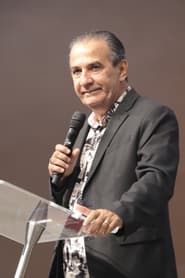
Silas Malafaia

Elizete Malafaia
Crew of Apocalypse in the Tropics
Full backstage crew list →- Released July 03, 2025