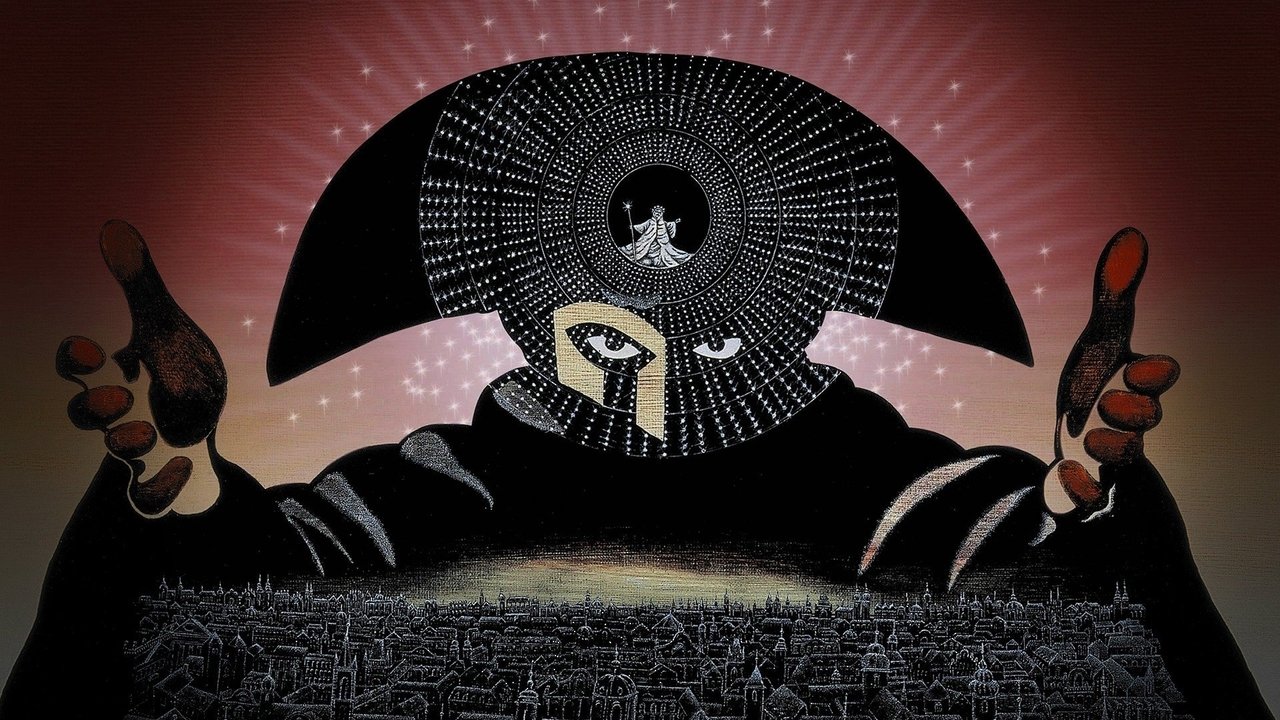
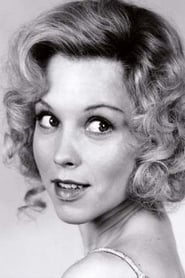
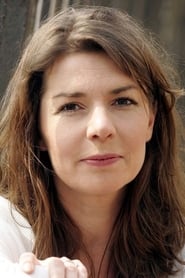
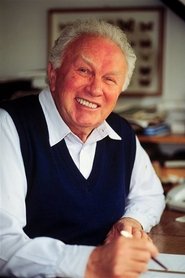
In the film "Amadeus," we are introduced to the complex world of Antonio Salieri, masterfully portrayed by F. Murray Abraham. Salieri is a disciplined and highly respected Italian composer who has dedicated his life to the pursuit of musical excellence and devotion to God. However, his world is turned upside-down with the arrival of a young prodigy, Wolfgang Amadeus Mozart, played with exuberant charm by Tom Hulce. While Salieri has spent years honing his skills and abiding by the strict rules of composition, he finds himself overshadowed by Mozart's sheer talent and carefree lifestyle, which only amplifies his struggle against personal and professional demons.
As Salieri witnesses Mozart's rise in Vienna’s elite musical society, his envy and resentment become all-consuming. The film delves deep into Salieri's internal conflict, as he battles with his admiration for Mozart's genius and his own feelings of inadequacy. The contrast between Salieri's disciplined approach and Mozart's uninhibited creativity paints a vivid portrait of rivalry that transcends mere professional jealousy. Salieri's obsession with his rival leads him down a dark path, prompting him to confront not only his artistic aspirations but also the moral implications of envy and ambition.
Ultimately, "Amadeus" is a striking exploration of the dual nature of genius and mediocrity, showcasing how Salieri's resentment for Mozart intertwines with his own faith and tragic realization of his limitations. The rich narrative is steeped in historical intrigue and emotional depth, making it a compelling character study that leaves audiences pondering the nature of talent and the burdens that come with it. This intricate relationship between the two composers not only drives the film's narrative but also invites viewers to reflect on the lengths to which one might go when faced with the brilliance of another.
Main Cast of Amadeus

F. Murray Abraham
Antonio Salieri
F. Murray Abraham's portrayal of Antonio Salieri in the 1984 film "Amadeus" is widely regarded as a masterclass in acting, earning him the Academy Award for Best Actor. His performance brings to life the complex character of Salieri, the court composer to Emperor Joseph II in Vienna, who is both enchanted and tormented by the genius of Wolfgang Amadeus Mozart. Abraham embodies Salieri with a profound intensity, capturing the character's deep-seated envy and admiration for Mozart's effortless talent, which starkly contrasts with his own disciplined, yet comparatively pedestrian compositions. His Salieri is a man of sophistication and refinement, grappling with the injustice of divine providence that would bestow such sublime musical gifts upon an individual as irreverent and frivolous as Mozart. Through subtle gestures, nuanced expressions, and a palpable sense of inner conflict, Abraham conveys Salieri's descent from a position of respect and contentment to one of bitter rivalry and despair, as he ultimately acknowledges his role in Mozart's demise. It is a performance that not only anchors the film but also provides a poignant exploration of the human condition when faced with the limitations of one's own abilities in the shadow of genius.

Tom Hulce
Wolfgang Amadeus Mozart
Tom Hulce's portrayal of Wolfgang Amadeus Mozart in the 1984 film "Amadeus" is a tour de force that brilliantly captures the complexity and vibrancy of the legendary composer. His performance is characterized by an infectious energy and a childlike exuberance that starkly contrasts with the more restrained and somber portrayal of Antonio Salieri by F. Murray Abraham. Hulce embodies Mozart's genius and eccentricity with a delicate balance, depicting him as both a prodigious musical talent and a flawed, human character. His laughter and irreverent behavior are juxtaposed with moments of deep vulnerability and artistic passion, creating a multi-dimensional character that resonates with audiences. Hulce's Mozart is neither a mere caricature nor a saintly figure; instead, he is a man whose confidence in his own abilities is matched only by his insecurity in the social and political hierarchies of 18th-century Vienna. The actor's nuanced performance is further elevated by his authentic and spirited renditions of Mozart's compositions, which serve to underscore the composer's revolutionary impact on the world of music. Hulce's Academy Award-nominated role is often celebrated for its vitality and for its significant contribution to the enduring legacy and appreciation of Mozart's music, making it one of the most memorable depictions of the composer on screen.

Elizabeth Berridge
Constanze Mozart
Elizabeth Berridge delivered a memorable performance as Constanze Mozart in the 1984 film "Amadeus," directed by Miloš Forman. Her portrayal of the strong-willed and devoted wife to the musical prodigy Wolfgang Amadeus Mozart showcased her range as an actress, capturing the essence of a woman who is both enamored with her husband's genius and deeply frustrated by the societal and financial constraints that burden their lives. Berridge's Constanze is a complex character, balancing love and exasperation, often serving as the audience's emotional conduit to the tumultuous world of Mozart. Her performance is highlighted by her ability to convey the fierce loyalty and resilience of a partner who stands by her husband amidst his descent into personal chaos, while also navigating the cutthroat and male-dominated world of 18th-century Vienna. Berridge's nuanced portrayal of Constanze, marked by her fiery spirit and tender moments of affection, adds a vital human dimension to the grandeur of the film, making her an indelible part of the cinematic adaptation of Mozart's legendary life.

Simon Callow
Emanuel Schikaneder
Simon Callow's portrayal of Emanuel Schikaneder in Miloš Forman's 1984 film "Amadeus" is a masterclass in supporting acting, bringing vibrancy and warmth to the role of the librettist and friend to Wolfgang Amadeus Mozart. Callow imbues Schikaneder with a convivial charm and an infectious enthusiasm for the theatrical arts, capturing the essence of a man who was pivotal in staging Mozart's opera "The Magic Flute." His performance is marked by a palpable camaraderie with Tom Hulce's Mozart, showcasing the mutual respect and playful chemistry between the two historical figures. Callow's Schikaneder serves as a foil to the more austere characters in the film, providing moments of levity and genuine friendship that contrast with the cutthroat competition and envy that pervade the court of Emperor Joseph II. His scenes are delivered with a robust comedic timing and a deep-seated passion for the arts, which not only endears him to the audience but also underscores the film's celebration of artistic genius and collaboration.

Roy Dotrice
Leopold Mozart
Roy Dotrice's portrayal of Leopold Mozart in Miloš Forman's 1984 film "Amadeus" is a masterclass in nuanced acting, imbuing the character with a complex blend of pride, ambition, and underlying affection for his prodigious son, Wolfgang Amadeus Mozart. Dotrice skillfully captures the essence of a father who is both envious of and bewildered by his son's unprecedented talent. His performance is marked by a stern, authoritative presence that commands respect, while also revealing glimpses of vulnerability and genuine concern for his son's well-being and career. Dotrice's Leopold is a driving force in the narrative, reflecting the societal pressures of 18th-century Vienna and the intricate dynamics of a father-son relationship that is as competitive as it is supportive. His interactions with Tom Hulce's Mozart are electric, showcasing the tension between youthful genius and paternal expectation, making his performance a memorable aspect of the film's exploration of fame, creativity, and family bonds.

Christine Ebersole
Katerina Cavalieri
Christine Ebersole's portrayal of Katerina Cavalieri in the cinematic masterpiece "Amadeus" is a delightful embodiment of the grace and allure that defined the real-life singer of Mozart's era. Ebersole brings a captivating presence to the screen, infusing Katerina with a mix of poise and vulnerability that perfectly captures the character's stature as a celebrated soprano and the object of Mozart's affection. Her performance is highlighted by a memorable scene in which she sings an aria from "The Marriage of Figaro," showcasing Ebersole's own impressive vocal talents. Her ability to convey both the joy of performance and the complex emotions of a woman entangled in the personal and professional rivalries of 18th-century Vienna adds depth to her character. Ebersole's Katerina is a luminous figure, caught in the gravitational pull of Mozart's genius and Salieri's intrigue, and her nuanced portrayal contributes significantly to the film's rich tapestry of envy, passion, and musical brilliance.

Charles Kay
Count Orsini-Rosenberg
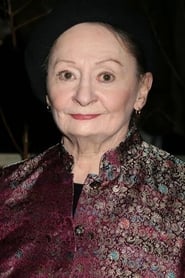
Barbara Bryne
Frau Weber
Martin Cavani
Young Salieri
Secondary Cast of Amadeus
Milan Demjanenko
Karl Mozart
Peter DiGesu
Francesco Salieri
Miroslav Sekera
Young Mozart
Miro Grisa
Figaro in 'The Marriage of Figaro'
Helena Cihelníková
Countess in 'The Marriage of Figaro'
Karel Gult
Count Almaviva in 'The Marriage of Figaro'
Zuzana Kadlecová
Susanna in 'The Marriage of Figaro'
Magda Čelakovská
Cherubino in 'The Marriage of Figaro'
Slavěna Drášilová
Barbarina in 'The Marriage of Figaro'
Deborah Rees
Barbarina in 'The Marriage of Figaro' (singing voice)
Eva Šenková
Marcellina in 'The Marriage of Figaro'
Patricia Payne
Marcellina in 'The Marriage of Figaro' (singing voice)
Leoš Kratochvíl
Basilio in 'The Marriage of Figaro'
Gino Zeman
Don Curzio in 'The Marriage of Figaro'
Jaroslav Mikulín
Dr. Bartolo in 'The Marriage of Figaro'
Ladislav Krečmer
Antonio in 'The Marriage of Figaro'
Jan Blažek
Commendatore in 'Don Giovanni'
Zdeněk Jelen
Leporello in 'Don Giovanni'
Suzanne Murphy
Cavalieri in 'Axur' (singing voice) , Constanza in 'Abduction from the Seraglio' (singing voice)
Michele Esposito
Salieri's Student (uncredited)
June Anderson
Queen of the Night in 'The Magic Flute' (singing voice)
Milada Čechalová
Queen of the Night in 'The Magic Flute'
Brian Kay
Papageno in 'The Magic Flute' (singing voice)
Lisbeth Bartlett
Papagena in 'The Magic Flute'
Gillian Fisher
Papagena in 'The Magic Flute' (singing voice)
Marta Jarolímková
Princess Elisabeth
Vojtěch Nalezenec
Musician
Renata Vacková
Lady-in-waiting
Petra Vogelová
Lady-in-waiting
Viktor Maurer
Wig Salesman (uncredited)
Vladimír Svitáček
Pope Clement (uncredited)
Karel Engel
Mental Hospital Orderly (uncredited)
Antonín Kramerius
Mental Hospital Orderly (uncredited)
Zbyněk Bruthans
Gravedigger (uncredited)
Lubomír Havlák
Pedrille (uncredited)
Crew of Amadeus
Full backstage crew list →