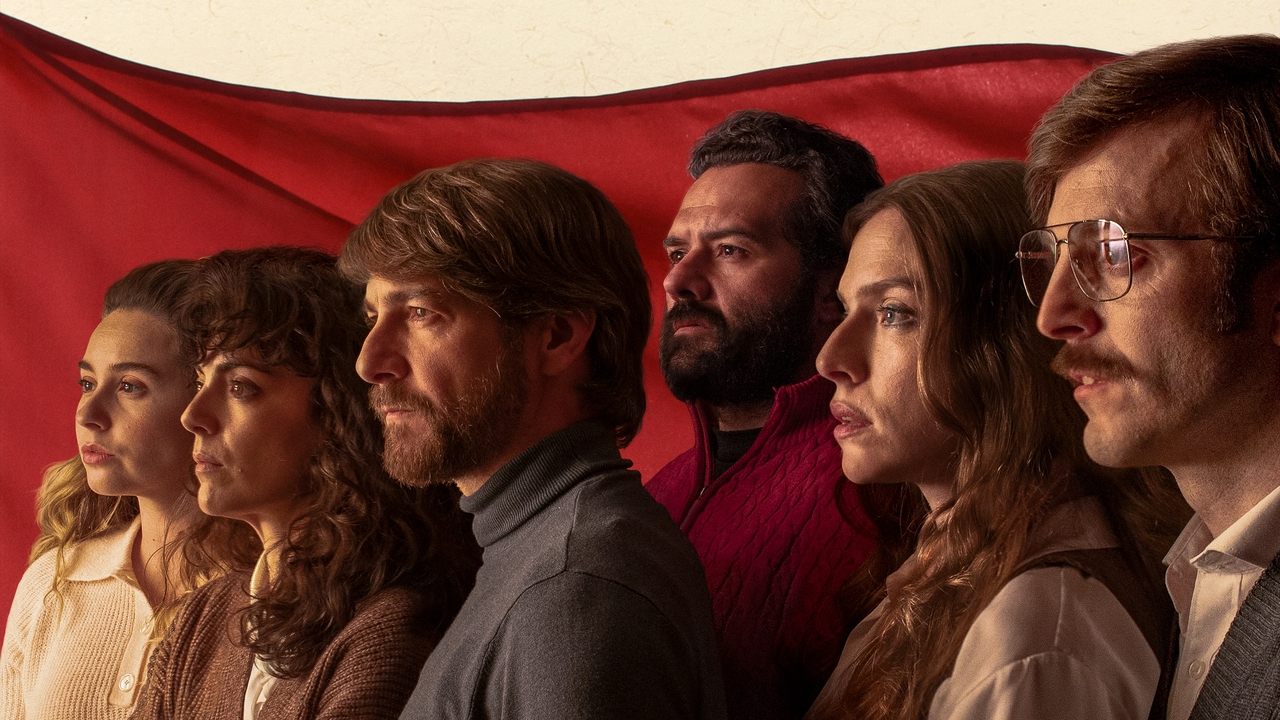
In the gripping film 'Alone In The Night', a close-knit group of dedicated labor lawyers finds themselves ensnared in a precarious situation during the tumultuous coup d'état of February 23, 1981, in Spain. As the military seizes control, these attorneys retreat to a secluded house with the hopes of escaping the chaos erupting outside. Torn between fear and a strong sense of duty, they face the monumental decision of whether to flee the country, remain hidden, or take a stand to protect Spain's fledgling democracy, which has been hard-earned over the previous years.
The film masterfully delves into the complex psychological and moral dilemmas faced by the protagonists. As they huddle together in the dimly lit confines of the house, the atmosphere becomes increasingly tense and claustrophobic. The lawyers engage in passionate debates, grappling with their ideals and the ramifications of their potential actions—they understand that their choices could either solidify their commitment to justice or lead to dire consequences. Each character embodies a different facet of political belief, adding layers of conflict and camaraderie that keep viewers on the edge of their seats. Their discussions reveal both the personal stakes involved and the broader implications of the political crisis enveloping their nation.
Ultimately, 'Alone In The Night' is more than just a tale of survival; it is a potent exploration of courage, conviction, and the varying interpretations of what it means to fight for one's country. The film is a poignant reminder of the fragility of democracy and the unwavering spirit of those who dare to defend it against tyranny. With a finely crafted narrative and deeply resonant performances, it invites audiences to reflect on the responsibilities of citizenship and the sacrifices required to uphold freedom in the face of adversity.
Crew of Alone In The Night
Full backstage crew list →- Released on September 20, 2024