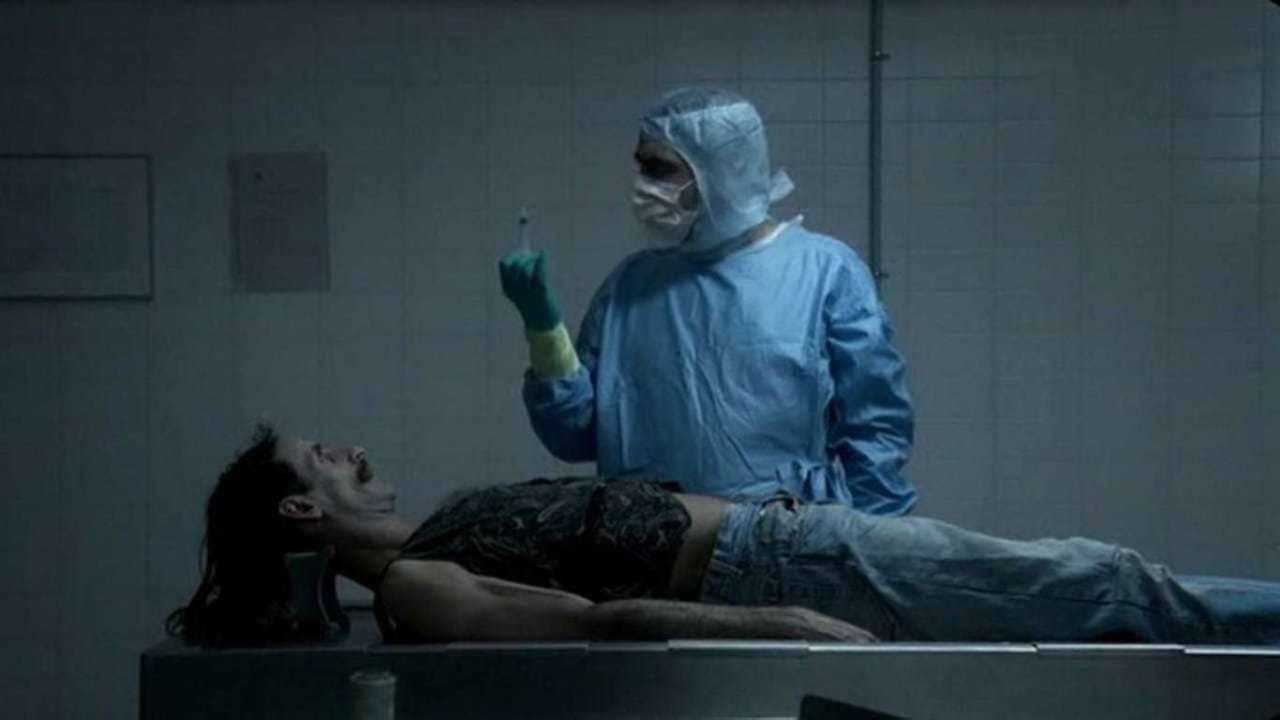
In the gripping and unsettling movie 'Aftermath', the narrative unfolds in the shadowy corridors of a morgue, where the sanctity of life meets the cold realities of death. The film introduces us to Pep Tosar, who delivers a haunting performance as the character known simply as Forensic. As the night progresses and the rest of the staff disperse, Forensic is left alone, a solitary figure in an environment steeped in silence and mystery. His character wrestles with his demons as he navigates the fragile boundary between respect and morbid curiosity in his profession, revealing the raw edges of human behavior when faced with the remnants of life.
The plot thickens as Forensic is drawn to the lifeless body of a young woman, the tragic victim of a horrific car accident. The tension escalates as he delicately approaches her, wrestling with the ethical implications of his actions. This pivotal moment serves as a critical point in the film, allowing audiences to explore the psychological ramifications of a job that requires not only technical precision but also a profound emotional resilience. The young woman's story, although cut short, resonates through Forensic's reflections, challenging him and the viewers to confront their perceptions of mortality and the respect owed to those who have passed.
'Aftermath' is not just a tale of death; it is a deeper examination of the human condition, depicting the fragility of life and the complex emotions that linger in its wake. With Xevi Collellmir portraying Cadáver Vin, the film weaves together themes of loss, loneliness, and the search for meaning amid chaos. As the night deepens and the morgue's eerie atmosphere thickens, the characters’ interplay transforms into a haunting exploration of memory and grief, ultimately asking us how we choose to remember those we have lost.
Full Cast of Aftermath
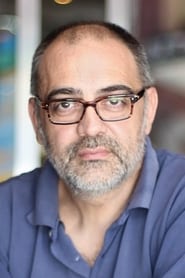
Pep Tosar
Xevi Collellmir
Jordi Tarrida
Ángel Tarris
Crew of Aftermath
Full backstage crew list →- Released on October 08, 1994