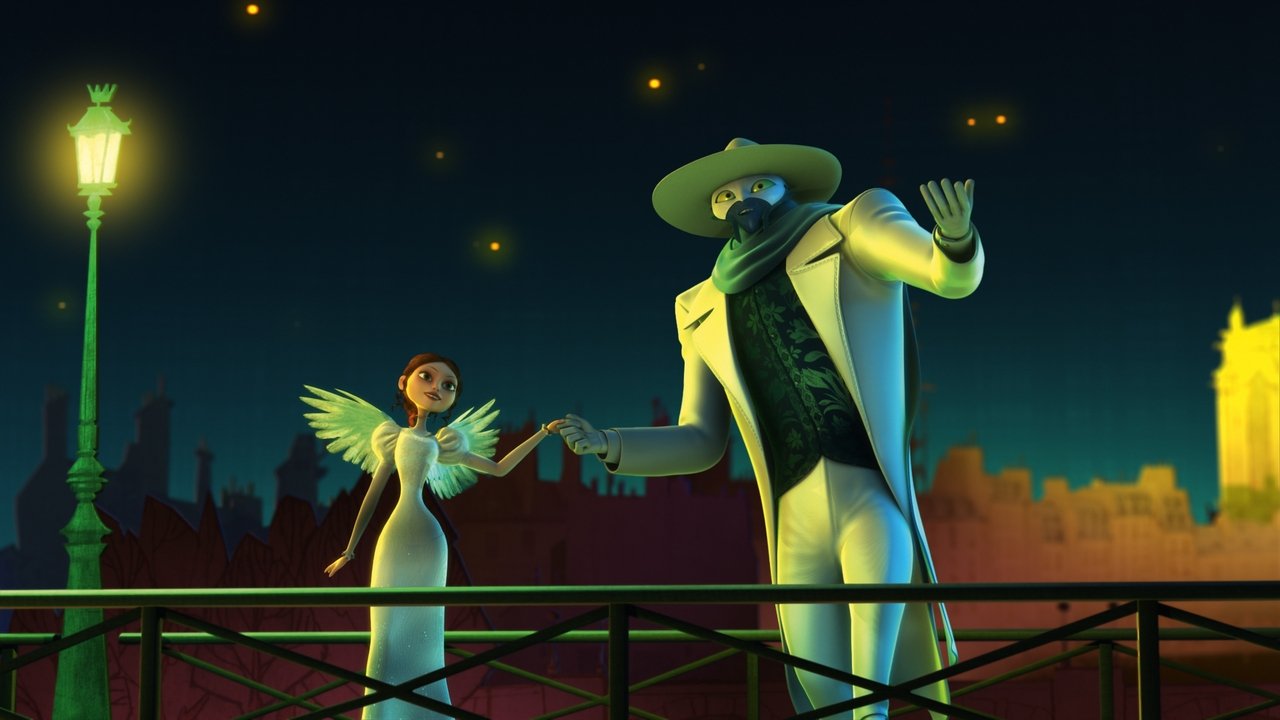
"A Monster in Paris" unfolds in the enchanting backdrop of 1910 Paris, where Emile, a timid movie projectionist, and Raoul, a quirky inventor, join forces with Lucille, a warm-hearted cabaret star, to chase down a mysterious creature alarming the city. Their adventure takes a surprising turn when they discover the so-called monster is actually a gigantic yet gentle flea, sparking a journey that challenges the city's fears and prejudices. Together with an eccentric scientist and his grumpy monkey companion, they strive to protect the misunderstood creature from the relentless pursuit of a power-hungry police chief.
The film thoughtfully explores themes of acceptance, the fear of the unknown, and the courage to stand against injustice. By portraying the monstrous flea as a harmless being, it challenges societal tendencies to ostracize and vilify what is different. Additionally, "A Monster in Paris" celebrates friendship and compassion, showcasing how unity among diverse individuals can overcome fear and oppression. The blend of whimsy and heartfelt messages encourages audiences to look beyond appearances and embrace empathy.
Upon its release, "A Monster in Paris" was praised for its charming animation, engaging storytelling, and vibrant musical score, which together captured the romantic essence of early 20th-century Paris. Though not a mainstream blockbuster, it garnered a devoted fanbase and contributed to the appreciation of French animated cinema on the global stage. Its unique portrayal of monstrosity and warmth continues to resonate, marking its quiet yet enduring impact on pop culture.
Full Cast of A Monster in Paris

Matthieu Chedid

Bob Balaban

Adam Goldberg
Crew of A Monster in Paris
Full backstage crew list →- Released October 12, 2011