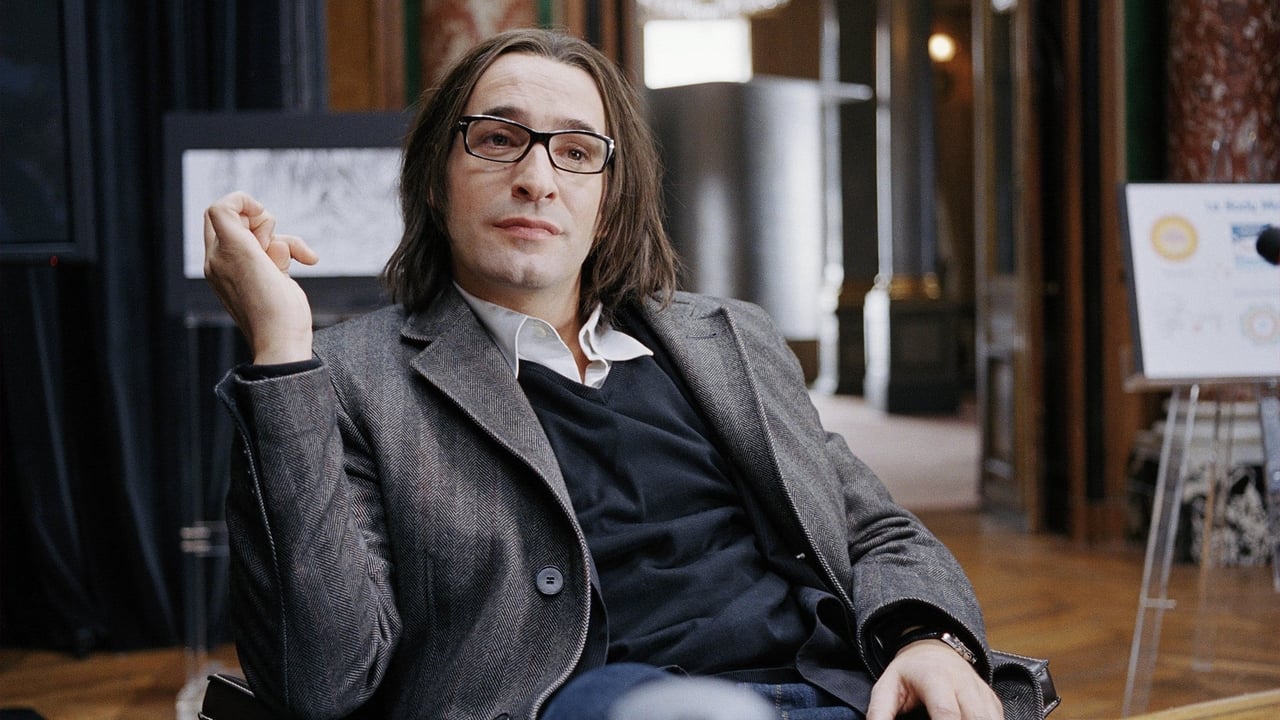
"99 Francs" is a sharp satirical film set in Paris, 2001, revolving around Octave Parango, a young and talented advertiser at the Ross & Witchcraft agency. The story delves into Octave's nihilistic and hedonistic life as he develops a campaign for a new yogurt brand, which becomes a catalyst for him to confront the emptiness of his profession and chaotic personal relationships. As the narrative unfolds, Octave is forced to reassess the superficial world he inhabits and the impact of consumerism on his identity and values.
The film incisively critiques the advertising industry and consumer culture, exposing the manipulative tactics that shape desires and the relentless pursuit of materialism. It explores themes of existential angst, the commodification of human experience, and the tension between authenticity and the artificial constructs imposed by marketing. "99 Francs" invites viewers to question the societal norms that prioritize image over substance and the cost this has on individual well-being.
Upon its release, "99 Francs" garnered attention for its bold commentary and dark humor, resonating with audiences disillusioned by modern consumerism. Its raw portrayal of advertising insiders contributed to ongoing cultural discussions about media influence and ethical boundaries in marketing. Over time, the film has maintained its relevance, becoming a cult classic that continues to influence how pop culture critiques the pervasive force of advertising in contemporary life.
Crew of 99 francs
Full backstage crew list →- Released September 26, 2007