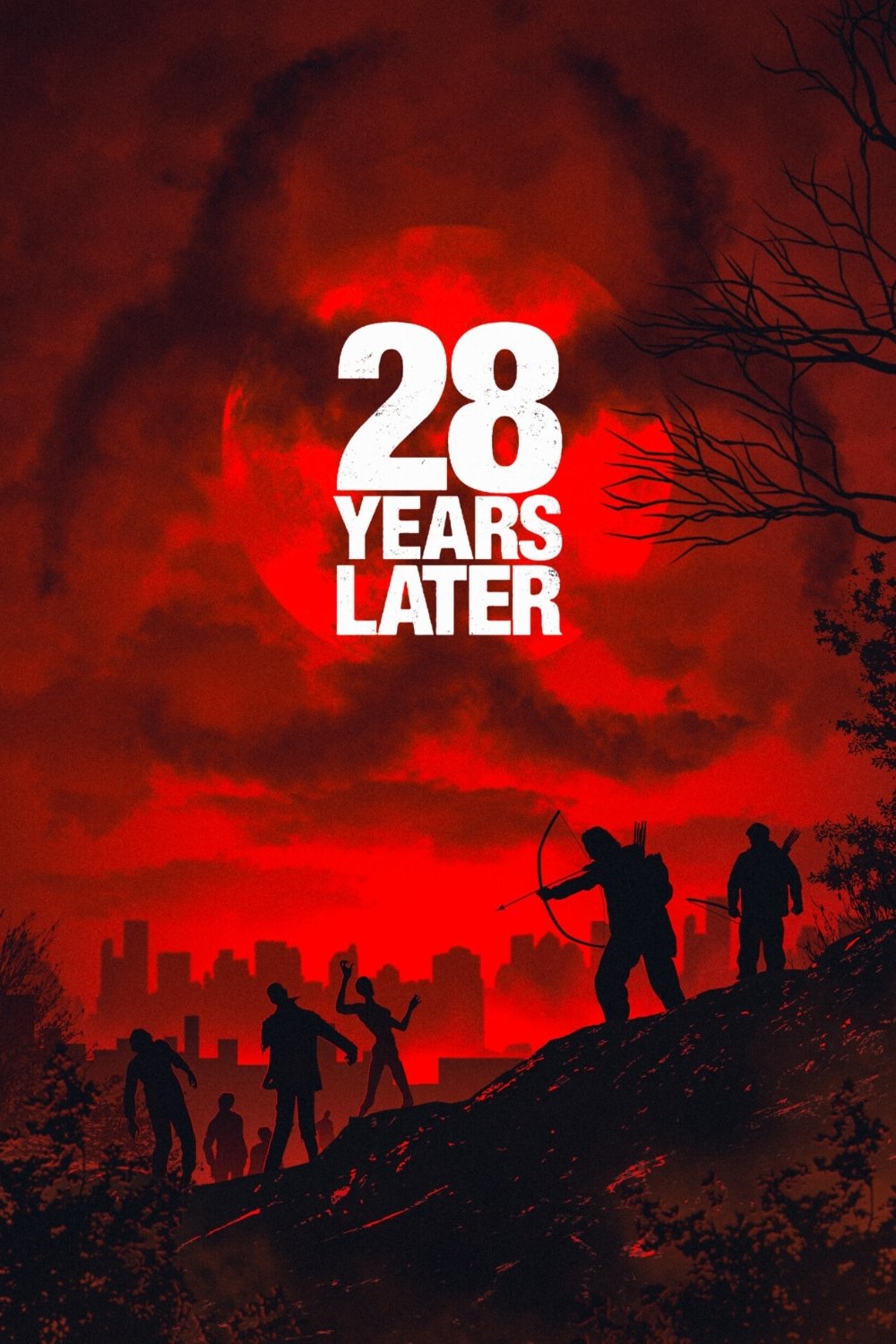
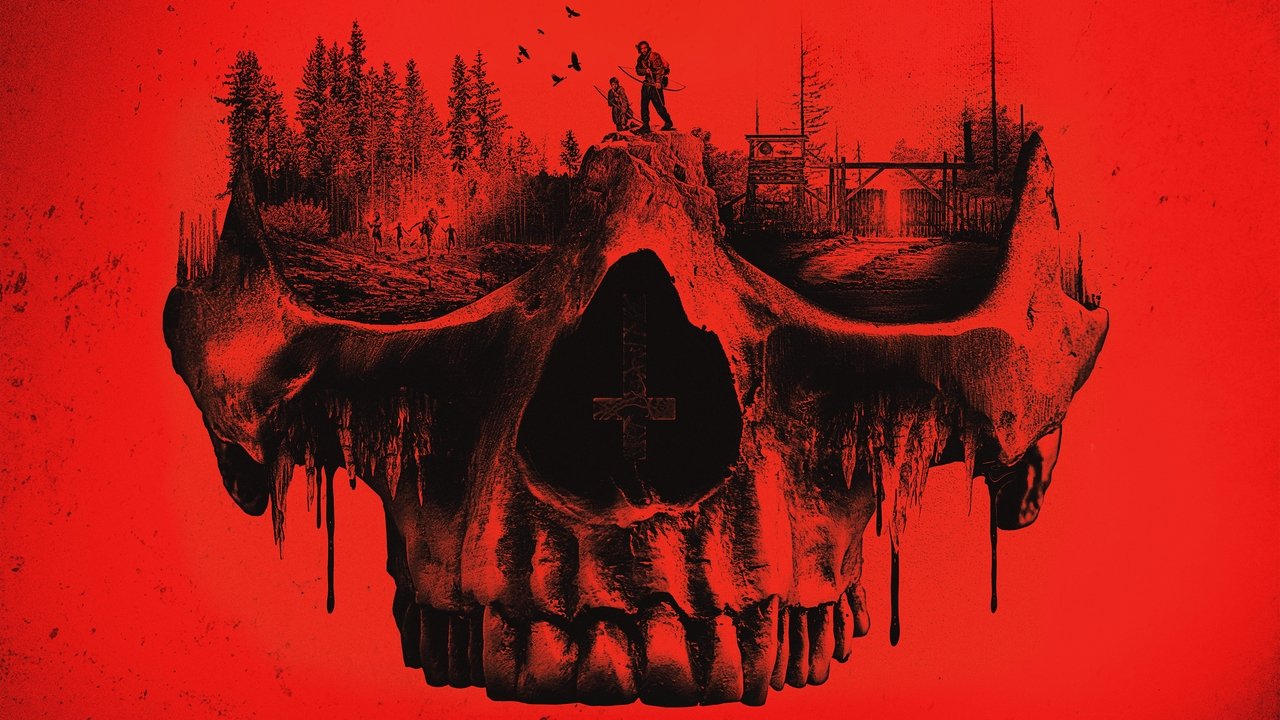
"28 Years Later" unfolds nearly three decades after the catastrophic outbreak of the rage virus from a biological weapons laboratory. The world outside, once familiar, has transformed into a dystopian nightmare where society struggles to maintain order under strict quarantine regulations. In this grim reality, a resilient group of survivors manages to carve out a fragile existence on a secluded island, accessible only by a heavily fortified causeway. While they attempt to keep the threat of the infected at bay, their survival hinges on unity, resourcefulness, and the relentless human spirit in the face of overwhelming despair.
The narrative takes a compelling turn when one of the group's brave members embarks on a daring mission to the mainland, driven by the need to gather supplies and uncover the truth behind the contagion. Venturing into the heart of the chaos, he navigates a landscape teeming with danger, both from the grotesque infected and the unpredictable behavior of fellow survivors who have been irrevocably altered by the madness that ensued. This journey reveals not only the horrors that have corrupted the populace but also glimpses of hope and unexpected beauty amid the desolation—showing that even in darkness, flickers of humanity can survive.
As the protagonist delves deeper into the mainland's twisted reality, he encounters remnants of civilization that have evolved in unimaginable ways. Secrets unfold, painting a complex picture of mutated beings, both human and infected, locked in an eternal struggle for survival. Through his experiences, the film explores not just the physical ramifications of the virus but also the psychological and moral dilemmas that arise when survival becomes the only instinct that prevails. "28 Years Later" ultimately poses haunting questions about the essence of humanity and the limits to which people will go, reminding us that in the battle against despair, the human spirit can sometimes be as terrifying as the horrors it faces.
Critics' Reviews
90
Danny Boyle’s “28 Years Later,” a zombified IP, returns the director to the gory terrain he first forged with the grungy “28 Days Later.” It also sees him reteaming with Alex Garland, who after launching a successful directorial career (“Annihilation”) is back penning a franchise he authored as screenwriter for “28 Days Later.” That’s nearly where the nostalgia ends. Because whatever you think the third edition in this trilogy could be, Boyle and Garland gleefully subvert it. Instead, “28 Years Later,” an at times tonally daring and whimsically transportive coming-of-age zombie film, does the exact opposite of what you expect. Though this horror flick anticipates the coming of the Nia DaCosta helmed sequel “28 Years Later: The Bone Temple,” it refreshingly doesn’t operate by the logic of franchise building. It’s a gnarly piece of gruesome art.
80
Boyle and Garland have much on their minds. 28 Years Later brims with thematic resonances, a canvas on which to illustrate a national identity-crisis. There is a clear Brexit analogy in a country experiencing isolationism — the rage-ravaged Britain secluded from the world; its people secluded from their own land. The distinctly British post-apocalyptic society is part Blitz-spirit wartime-rationing aesthetic, part medieval fortress — Boyle repeatedly cuts to black-and-white World War footage. Is this the nebulous ‘good old days’ that some Brits yearned for? Is survival inherently regressive? Years is also about the stories we tell ourselves, the myth-building that creates a nation, a fiction rather than truth.
38
I struggle with films that open with a priest kneeling between pews accepting the cannibalism of his zombie congregation while his little boy in hiding asks why “Da” has forsaken him. I get it. I got it. I’ve gotten the evangelical Christian aspect of zombies-as-metaphor since I saw Night of the Living Dead as a steadfastly average middle-American child, for Christ’s sake. (Literally.) There’s no point too subtle for Boyle, the poor man’s Ridley Scott (who was already the poor man’s Smart Filmmaker), to bloat into obscenity. He did, after all, give us Millions, which plays more as a prequel to this film than 28 Days Later does, come to think of it. Consider Swedish soldier Erik (Edvin Ryding), who serves no function as a human being but fulfils several functions as a symbol. He says he wanted to be thought of as a “man,” so he joined the Navy and promptly shipwrecked on Scotland. Then he says the hyper-macho “Alpha” zombies of 28 Years Later are like “stock brokers, fuckin’ Wall Street guys.” Get it? Zombies not only represent the insidious creep of prosperity gospel Christians but also represent the insidious creep of…prosperity…gospel, um, Christians.
Main Cast of 28 Years Later
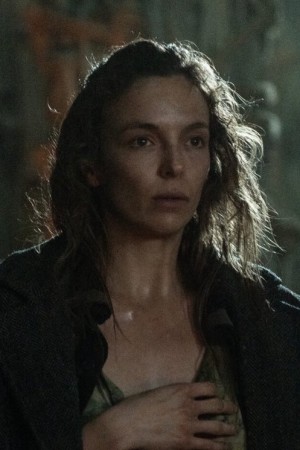
Jodie Comer
Isla
Jodie Comer delivers a riveting performance as Isla in the highly anticipated film "28 Years Later," the third installment in the post-apocalyptic horror series. As Isla, Comer embodies the resilience and tenacity of a survivor in a world ravaged by the aftermath of a devastating viral outbreak. Her portrayal is a masterclass in subtlety and depth, seamlessly navigating the complex emotional landscape that comes with enduring two decades of societal collapse. Comer's Isla is both fierce and vulnerable, showcasing her ability to convey strength in the face of adversity while also highlighting the profound toll that constant survival takes on the human psyche. With her nuanced performance, Comer not only honors the legacy of the franchise but also brings a fresh and compelling perspective to the zombie genre, ensuring that her character's journey is one that resonates long after the credits roll.
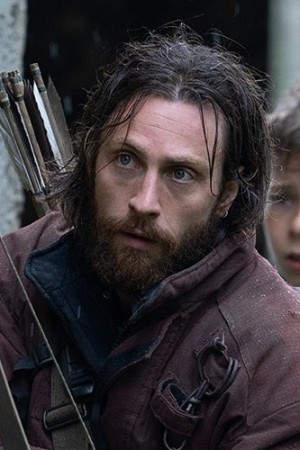
Aaron Taylor-Johnson
Jamie
Aaron Taylor-Johnson delivers a gripping performance as Jamie in the movie '28 Years Later', a character thrust into a post-apocalyptic world ravaged by the aftermath of a devastating viral outbreak. His portrayal is one of both vulnerability and resilience, capturing the essence of a young man who is at once out of his depth and yet forced to grow in the face of unimaginable horror. Taylor-Johnson's Jamie is a beacon of humanity in a desolate landscape, navigating the emotional complexities of survival, loss, and the will to protect those he loves. His transformation from an ordinary individual to a hardened survivor is both believable and emotionally resonant, grounding the film's high-stakes action in a deeply relatable character journey. With intense physicality and nuanced emotional depth, Taylor-Johnson's performance stands out as a highlight of the film, ensuring that Jamie's plight lingers in the audience's mind long after the credits roll.
Ralph Fiennes
Dr. Ian Kelson
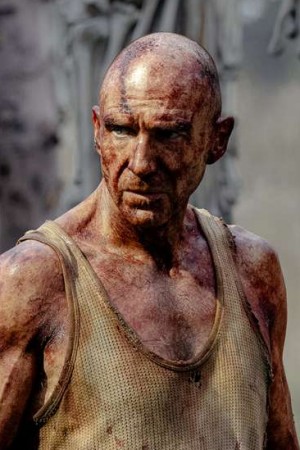
In the movie "28 Weeks Later," Ralph Fiennes delivers a compelling performance as Dr. Brian Kelson, a military medical officer tasked with overseeing the repopulation of a post-apocalyptic London following the devastating rage virus outbreak depicted in "28 Days Later." Fiennes brings a sense of gravitas and complexity to the role, portraying Kelson as a man torn between his duty to protect public health and the ethical dilemmas that arise in the face of a fragile new society. His character is a pillar of calm amidst the chaos, yet Fiennes expertly reveals the cracks in Kelson's stoic facade, hinting at an underlying desperation to contain the situation at all costs. As the narrative unfolds, Fiennes skilfully navigates Kelson's moral decline, showcasing the character's descent from a well-intentioned doctor to a figure complicit in horrifying decisions, all while maintaining a veneer of professionalism. His performance adds a layers of humanity and moral ambiguity to the film's exploration of fear, power, and survival.

Edvin Ryding
Erik Sundqvist
Edvin Ryding delivers a compelling and emotionally charged performance as Erik Sundqvist in the movie '28 Years Later'. His portrayal of a young man grappling with the aftermath of a global catastrophe showcases his range and depth as an actor. Ryding's Erik is a beacon of resilience and hope, navigating a desolate world with a mix of vulnerability and quiet strength. His interactions with other characters reveal a complex layers of loss, longing, and the indomitable human spirit. Ryding's performance is particularly notable in the nuanced way he conveys Erik's internal struggles, oscillating between despair and determination, which resonates with the audience and adds a profound humanity to the post-apocalyptic narrative. His emotive eyes and subtle changes in expression do much of the storytelling, making Erik a character that viewers can't help but empathize with and root for throughout the film. Edvin Ryding's work in '28 Years Later' is not only a testament to his talent but also a significant contribution to the emotional depth of the film.
Alfie Williams
Spike
Crew of 28 Years Later
Full backstage crew list →- Released June 18, 2025
- Part of 28 Days/Weeks/Years Later Collection