
"13 Minutes" unfolds the gripping true story of Georg Elser, a courageous man who, in 1939, attempted to alter the course of history by orchestrating an assassination attempt on Adolf Hitler. Unlike many celebrated figures of resistance, Elser's solitary act was shrouded in tragedy and misunderstanding—he was branded as a mere assassin rather than a hero striving to prevent the spread of tyranny. The film meticulously portrays the tension and peril surrounding Elser's endeavor during a time when Nazi Germany's grip was tightening over Europe.
The core themes of "13 Minutes" revolve around the morality of resistance, the power of individual agency, and the oft-overlooked stories of those who dare to challenge oppressive regimes alone. Elser's story challenges audiences to reconsider what it truly means to be a hero, especially when acts of valor are dismissed or suppressed by prevailing narratives. The film also probes the political landscape of 1930s Germany, exposing the dangers of complacency and the heavy cost of dissent under totalitarianism.
Upon its release, "13 Minutes" garnered critical acclaim for its compelling storytelling and poignant performances, reigniting discussions about the unsung heroes in history's darkest hours. While it did not achieve blockbuster status, the film has found a revered place among historical dramas, contributing to a deeper understanding of resistance within pop culture. Its impact endures by inspiring a nuanced appreciation of courage and conviction in the face of overwhelming odds.
Main Cast of 13 Minutes
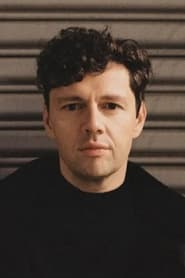
Christian Friedel

Katharina Schüttler
Crew of 13 Minutes
Full backstage crew list →- Released April 09, 2015